THE STATE OF THE NETWORK '25
How Superteam Nigeria built a $1M parallel economy and became Solana's global talent factory.

There are two people in the woods, and they run into a bear. The first person gets down on his knees to pray; the second person starts lacing up his boots. The first person asks the second person, "My dear friend, what are you doing? You can't outrun a bear." To which the second person responds, "I don't have to. I only have to outrun you."
The story, which comes from regions with bears, is now used in business development to teach that to survive a challenge, you have to be better prepared or more persistent than the competition.
In Nigeria, challenges often seem systemic and almost impossible to overcome—a proverbial 'bear' that threatens to halt progress. The innovative spirit of Nigerian builders, however, is constantly seeking a clear path for survival and competitive advantage.
Hashed Emergent's inaugural Nigeria Web3 Landscape Report definitively identified that path.[1] The report states: 'Solana is the chain of choice for builders nationwide.' This choice represents the country's collective decision on how to bypass these deep-seated challenges.
And sitting right at the epicenter of that solution is Nigeria's most active Solana community: Superteam Nigeria. This network, powered by a work-to-earn ethos, has provided a way for members to be miles ahead of their counterparts.
This document tracks the year we've had, illustrating precisely how we've empowered Nigerians to stay perpetually one step ahead.
The Nigerian Condition
My name is Lili. And I believe that Nigeria is a land defined by stubborn storms, because for years, I have been riding them out. Like many of my people, I've had to dedicate every ounce of effort to staying financially afloat. Every day, the prices of commodities rise, driving a persistent economic pressure that is evident on the streets, in the markets, and in households.[2], [3]
Millions of Nigerians live close to or under international poverty lines, and multidimensional poverty caused by inflation remains a serious drag on opportunities.[4]
Nothing illustrates this crisis like being forced to choose between feeding your stomach and feeding your future. A while back, I had to turn down a promising career-building internship simply because, within two months, the soaring cost of transportation and food consumed the entire meager stipend. I couldn't afford the cost of accepting the opportunity. That experience is a reminder of the constant financial tightrope we walk.
When the people's day-to-day life is a battle for survival, they naturally look for shelter. Naturally, for many Nigerians, the emergence of crypto looked like shade and shelter. A way to hedge the naira, preserve savings, and access new income streams outside traditional channels.
However, that shade was pulled down by strong winds. The Central Bank's 2021 directive pushed regulated banks away from crypto channels, driving much activity onto peer-to-peer and alternative rails.[5], [6] Only later did official policy start to open up again.
In recent times, however, regulators such as the SEC have signalled a more formal digital-asset framework.[7]
Regardless, we still have a hungry population, big macro squeezes, and a technology with the potential to reroute value flows. As a member who has personally shifted from struggling on that financial tightrope to building a future within the crypto space, I can attest: this is the exact terrain where a community like Superteam Nigeria truly matters.
The Superteam Nigeria Story
Built as the Nigerian chapter of Solana's talent layer, Superteam Nigeria is a talent hub driving work opportunities and the broader work-to-earn culture in the country. Led by Nzubechukwu Ezudo and Harrison Obiefule, the community has incubated and funded builders, created jobs, and backed Solana-native products that everyday Nigerians use—products that have gone on to generate real revenue.
This focused approach to value creation has already yielded immense economic dividends for our members this year. Recently, our cumulative economic impact (tracked through bounties, grants, incubation funding, and revenue generated by Superteam-backed projects) surpassed $1 million[8] in value flow within the Nigerian ecosystem.
This milestone is a tangible demonstration of the vast opportunities Web3 provides and proves that distributed communities can rapidly reroute meaningful wealth to local talent.
As Superteam's impact became more undeniable, government and public institutions started to recognize the opportunities in the kind of training, inclusion, and talent development that Web3 communities like ours were already delivering on their own. New partnerships and public engagements that brought blockchain education and youth empowerment into official agendas propelled the move from "underground curiosity" to mainstream acknowledgment.
The Superteam Nigeria story is a testament to how decentralized communities can pioneer change and ultimately influence policy.
The next couple of sections describe the community's growth story and the impact it has created in detail.
This year will be remembered as the moment Superteam Nigeria transformed from a promising collective into an economic force. This figure quantifies our collective economic output, the acceleration of human capital, and the validation of our economic model.
In January, the community's GDP stood at a substantial $422,624.[9] Month after month, fueled by sheer hustle and compounding effort, those figures catapulted. By August, we crossed the $1 million mark[8], and by November, community GDP was at $1,179,340.[10]
No number could have told this story of our human capital and growth better.
Community GDP Growth 2025
Source: Superteam Nigeria GDP Reports
This consistent, month-over-month climb confirmed the network effect in action and validated our core model. The numbers prove we are doing exactly what we set out to do: accelerating human capital and generating tangible economic success.
It was a parallel, high-growth 'micro-GDP' that directly injects much-needed foreign exchange and opportunity into households struggling against the macro squeeze.
However, this growth is merely the fruit of a deeper mechanism. Behind every dollar was a person, creating value through the four critical earning streams that now define our ecosystem's character.
How We Got Here
$464,904
Bounties
Bounties are short, paid tasks on the Superteam Earn platform that served as our daily proof-of-skill. Nigerian talent consistently dominated this arena, earning a stunning $464,904 by November 2025.[10]
$426,500
Grants (Instagrants)
Grants or INSTAGRANTS are fast, flexible funding for builders, writers, and creators pushing new ideas into the Solana ecosystem. They acted as a crucial on-ramp to bigger opportunities. By year's end, Superteam Nigeria members had secured $426,500 in grant support.[10]
$190,465+
Hackathons
Hackathons, which remained the heartbeat of the community, provided essential opportunities for members to build, learn, compete, and walk away with meaningful rewards, continuously sharpening the skills that fuel our GDP.
"
Jobs: Career Pipeline
We also built a career pipeline. As the Superteam Earn platform grew, it evolved from a directory into a global labor engine. Our members stepped into jobs that shaped how millions experience Web3: growth at JupNigeria, engineering at Solanaturbine, User Education at Solflare, and operations at Little Unusual. The community had become the trusted source for the talent that mattered.[11]
It was the compounding effect of this continuous skill development and competition that led directly to our defining financial success.
The Aftermath of Hitting the $1M Mark
Attaining the seven-figure mark was a transformative moment, especially for members of the community. As the saying goes, 'If you can make one, you can make ten more.' This milestone shifted our collective resolve from hope to certainty and then pride. The pride of being part of a movement that was tangibly reshaping economic realities.
Achieving $1,000,000 in community earnings was also a definitive, public validation: Web3 opportunities are not just a pipe dream, but a reliable pathway to earning a global wage and escaping poverty, created by and for Nigerians.
More importantly, and from the outside looking in, a seven-figure community GDP signals a mature, reliable ecosystem. It is the definitive proof that our earning pillars are scalable and sustainable.
This reputation created a crucial snowball effect: it attracted high-value partners from the government, institutions, and projects, which provided even more opportunities for Nigerians to earn and boost their social capital.
Partnerships
Collaborations with government, academia, and various projects are the engine of credibility, scale, and lasting sustainability. They are the powerful tools that drive a community's vision forward, and Superteam Nigeria's performance on this front was stellar this year.
To realize this vision, the first and most critical frontier Superteam Nigeria tackled was the formal halls of power.
"
GOVERNMENT PARTNERSHIPS
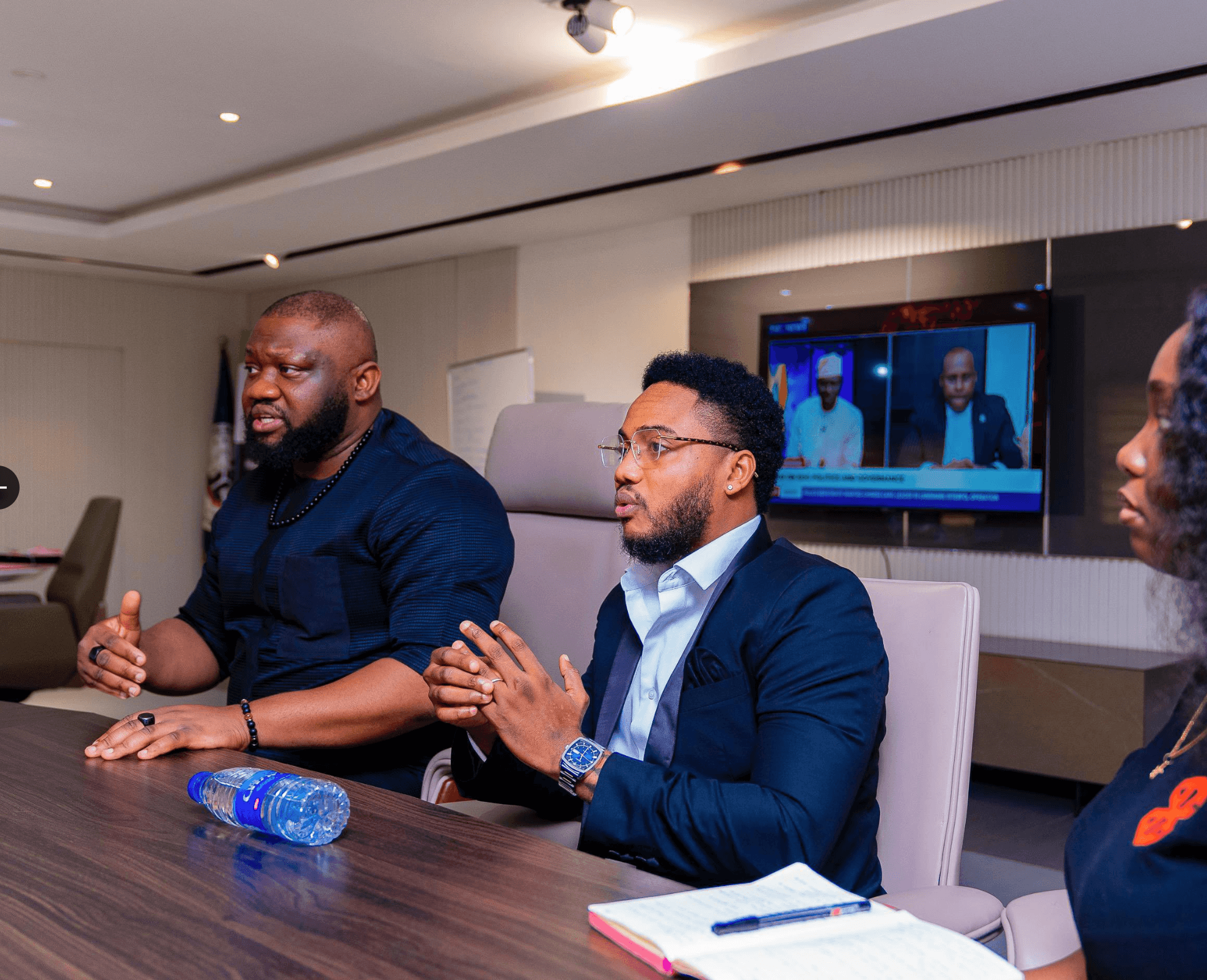
Superteam Nigeria consciously moved beyond online circles to enter the formal arenas that shape national direction. The core goal was to shift crypto from its reputation as a threat into a credible, practical engine for youth empowerment and economic advancement.
Key actions like opening a direct line with the Federal Ministry of Youth Development and presenting before the House of Representatives Ad-hoc Committee were essential steps to de-risk the entire industry in the eyes of the public and policymakers.[12]
The presence of the Director General of the SEC (represented by Dr. Hassan) delivering a keynote at a summit[10] provided a strong, public signal that the ecosystem's efforts were being taken seriously, mitigating the fear of restrictive regulation.
This legitimacy was important to curb the severe challenges posed by Nigerian inflation, Naira volatility, and youth unemployment. This "work-to-earn" ethos offers a critical economic escape route:
By paying for tasks, coding, and contributions in globally-competitive cryptocurrencies or stablecoins, the framework allows Nigerian youth to earn without fear outside the local inflationary cycle. This is the primary mechanism that helps Nigerians "escape the Nigerian condition", not by 'japa', but by connecting their skills to the global economy.
We translated this sentiment into action through educational empowerment like the Nigerian Youth Academy (NiYA) blockchain course for developers and writers.[13]
Beyond the primary initiatives, the government made other equally impactful moves that directly translate into measurable economic outcomes. A key example is the injection of national capital into the ecosystem, specifically the ₦1 million secured by seventeen startups through the NiYA Startup Pitch program.[14] This crucial funding immediately fueled local, Web3-native job creation and successfully transformed entrepreneurial ideas into operational businesses.
This proves that the aim of Superteam Nigeria's partnerships with the government is to proactively build the framework for its responsible adoption by securing the necessary scaffolding of legitimacy and policy alignment so that the work-to-earn engine can operate safely and at full national scale, and transform the lives of Nigerian youths.
With the foundational framework of legitimacy secured, the focus immediately shifted to the source of sustainable growth: building a nationally recognized, future-proof talent pipeline in institutions.
INSTITUTIONAL PARTNERSHIPS
Here, we solved the broken talent equation. Nigeria graduates thousands of computer science students annually. Global Web3 companies have hundreds of open roles paying tens of thousand of dollars. Yet somehow, Nigerian youth remain unemployed while those jobs go to developers in other regions.
The problem was the missing infrastructure between "I want to work in Web3" and "I'm hireable."
So we built a conveyor belt with three deliberate stations:
We legitimized the path
Partnerships with Modibbo Adama University and Kwara State[15], [12] were strategic moves to make blockchain a formal, government-endorsed career track. When a university offers a blockchain program, it signals to students, parents, and employers: this is real, this is safe, this leads somewhere.
Then, we activated at scale
NYSC was the strategic access point:[16] 1,500+ corps members, mandatory one-year service, most with no job lined up afterward. We didn't wait for them to stumble into Web3 through Twitter. We went directly into orientation camps and said: "Here's the Superteam Earn platform. Complete this bounty today, earn $50. Do ten more, you've made $500. Keep going, and in three months, you'll have a portfolio strong enough to land a remote job."
Finally, we accelerated the winners
Web3Bridge became the elite filter. Hackathon winners were fast-tracked into intensive cohorts and each stage fed the next.[10]
PRODUCT PARTNERSHIPS
You could build on Solana, earn in USDC, and technically have access to a global, dollar-denominated economy. But if you couldn't convert that USDC to Naira to pay rent, buy food, or send money home or if the off-ramp was inefficient, then the entire promise collapsed.
We needed two things working:
First, world-class infrastructure
Partnerships with Jupiter Exchange, MeteoraAG, Solflare, DeBridge, Birdeye, and FlipCash ensured the underlying rails were robust, scalable, and secure. These were technical necessities:[12] Jupiter for liquidity, Solflare for wallet infrastructure, Birdeye for real-time data.
Second, accessible on-ramps and off-ramps
This is where most ecosystems fail in emerging markets. Global infrastructure is great, but the average Nigerian is using Quidax, Busha, or Jeroid, the platforms they already trust, that already have their KYC, that already feel safe.
So we went after every major Nigerian exchange and crypto product: Quidax, Busha, Ridima, Koyn, Zabira, IkonShop, Jeroid, BoundlessPay.[15], [12] The pitch was: "Solana is faster and cheaper than what you're currently offering. Your users are already asking for it. Integrate now, or watch them migrate to competitors who do."
This dual strategy (elite global infrastructure + trusted local access) closed the inflationary gap. Without both pieces, the system breaks. Speaking of products that make these global opportunities accessible to the average Nigerian, the sheer ingenuity of our founders truly defined the year.
Products & Founders
Having tangible products that generate revenue validates the ingenuity and technical skill of the founders in any ecosystem. Moreover, these businesses create jobs, provide services that address local needs, and contribute to the national economy through taxes and value creation. This was a core focus for Superteam Nigeria for this year.
Products serve as powerful evidence for local and international investors because demonstrated earnings de-risk the investment, fueling further growth and scaling.
The success of most Superteam-incubated products was an economic necessity forged in the crucible of the Nigerian condition. Hence, for these founder, their products became their shield and their opportunity. Growth was measured in revenue, providing a direct hedge and a path to financial inclusion for their users.
Featured Products
| Product | Category | TVP | Founder |
|---|---|---|---|
| Ribh Finance | Cross-Border Payments | $10.5M+ | Emeka Nwosu |
| Paj | Off-Ramping | $200K+ | Tochukwu Matthew |
| Airbills Pay | Utility payment | $6,500+ | Chiemelie Okoye |
| Nectar Finance | Savings & Wealth Management | $1.7M+ | Felix Daniel |
| Cryptonia | Off-Ramping | $500K+ | Timilehin Oluwasanmi |
| Use Azza | WhatsApp & Telegram Trading | $4.9M+ | Tochukwu Okoro |
The products listed, particularly those in payments and DeFi, have significant ripple effects that directly impact the challenges of the Nigerian economy (inflation and poverty)
Some of these products address the complexity and high cost of traditional cross-border payments and provide easier access to dollar-denominated assets via off-ramping (converting crypto/digital assets back to local currency).
They also offer a hedge against the volatile and high inflation of the Naira.
By enabling access to global markets and stable digital currencies, they give Nigerians a way to protect their savings and conduct business internationally more efficiently, directly addressing economic instability.
Others provide tools for Nigerians to save and grow their wealth, often offering better returns than traditional banks. This promotes long-term financial stability and helps individuals build capital, which is crucial for moving out of poverty.
While the products listed above had already started generating revenue, others like Fiat Router, Staipy, Chatter, Verxio Protocol, Rhiva, Swiv, Juju Games, SwitchedFun, The Jaja Project, Rust Undead, Goondu Games, Coresightbot, HeySolana, Roomz, Otaku AI, Solara Pay, and Blockroll were also gaining impressive traction, proving the depth of the ecosystem.
"
The collective idea was: No founder navigated problems in isolation.
The community helped them push ideas past theoretical concepts and into functional reality, providing solutions that empower Nigerians to build wealth and stability, and effectively providing a practical escape hatch from the systemic pressures of inflation and poverty.
The success of this products served as powerful evidence that convinced major Nigerian financial platforms (like the exchanges) that it was safe, smart, and necessary to add Solana to their services.
Distribution
The large-scale integration of Solana onto Nigeria's leading SEC-regulated exchanges (Quidax, Busha, Jeroid) was a strategic maneuver for mass adoption that fundamentally shifted the relationship between Nigerians and their money.
This distribution was crucial for Superteam Nigeria because it turned Solana into an essential, daily utility, bypassing the significant hurdles of trust and access that plague the emerging crypto economy.
By integrating directly with platforms already used by millions, Solana's speed and cost advantage was delivered to users without forcing them to download a "new, foreign app." This made the adoption feel like a natural improvement to an existing service.
The most profound impact of this distribution is its role in helping Nigerians escape the "Nigerian condition"—the triple threat of high inflation, currency devaluation, and limited access to global income.
By facilitating stablecoin (e.g., USDC, USDT) transfers on Solana, the integration provided a trusted, low-friction mechanism for Nigerians to save and transact in dollar-pegged value. This immediately shielded users' purchasing power from the double-digit inflation and continuous devaluation of the Naira (NGN).
Even products like BoundlessPay and RIdima wove Solana's speed into everyday mobile finance, making basic transactions and remittances instant and near-free. This empowered the un- and under-banked population with a fully functional digital banking alternative, where the financial rail itself is the reliable engine.
This distribution also made it possible for Nigerians participating in the Work-to-Earn and gig economy to receive payments from international clients instantly and cheaply. The transaction fee on Solana meant that small, frequent payments—common in gig work—were economically viable, providing a tangible pathway to a more secure, dollar-denominated income stream.
What Role Did Superteam Nigeria Play in This Distribution?
Superteam Nigeria was the human layer that translated a technical integration into user behavior. Our role went beyond simple marketing; it was about conversion and education. By demonstrating the technical superiority of these products, and ultimately bringing them into the fold.
Once the exchanges (Quidax, Busha, Jeroid) integrated Solana, Superteam Nigeria launched targeted bounties—small, paid tasks—on their Superteam Earn platform.
These bounties required community members to actually use the new Solana features and create a video, write an explainer, share personal use-case stories, or the process of buying SOL and withdrawing NGN via the integrated exchanges. This generated a massive amount of high-quality, authentic user-generated content that educated the wider public, effectively activating the product features for mass adoption.
By incentivizing real usage and showcasing the work-to-earn ethos in practice, Superteam Nigeria made Solana's utility tangible, cementing its position as the reliable, invisible engine of Nigerian digital commerce.
But utility alone doesn't build an ecosystem—builders do.
Hackathons
Hackathons are a critical mechanism for wealth creation, skill validation, and economic empowerment in a challenging Nigerian landscape. A hackathon win also often serves as seed funding and a launchpad for a genuine startup, transitioning builders from contestants to entrepreneurs who then create jobs and further economic activity.
Superteam Nigeria has consistently leveraged global hackathons as a powerful launchpad, turning local talent into global winners and accelerating development across the Solana ecosystem.
Hyperdrive 2023 — $5,000 Won
The run of dominance started at Hyperdrive in 2023. We submitted 41 projects, immediately securing a global win: Clusttr took fifth place in Physical Infrastructure Networks, banking $5,000.[18]
Solana Renaissance (March 2024) — 13 Instagrants
That momentum carried straight into the Solana Renaissance in March 2024. Competing for over $700k in prizes, Nomad was the clear leader, winning third place globally in DeFi & Payments. This hackathon proved the depth of our community, with major wins also going to TryKey App, Clusttr, Meta Fable, and Stream Link, resulting in a record thirteen builders receiving direct Solana Foundation instagrants.[19]
Radar (Late 2024) — Solana 20x20 Invite
The final push came at Radar in late 2024, drawing over 100 submissions. After local wins by Ribh, TryKey, and Skoutwatch, the headline was Ribh Finance placing fourth globally in Payments. That defining performance earned both Ribh and TryKey an invitation to pitch at Solana 20x20 in Bangkok.[20]
These repeated successes across major global hackathons—Hyperdrive, Renaissance, and Radar—signify that these events are serving as a vital launchpad, driving local projects to receive significant global recognition, funding, and crucial momentum for mainnet development.
Projects like Ribh Finance have gone on to do impressive numbers proving that the support and exposure gained at these global hackathons are direct catalysts for turning innovative ideas into commercially viable and revenue-generating businesses.
That momentum has carried strongly through 2025, where we've already seen impressive results from major global hackathons:
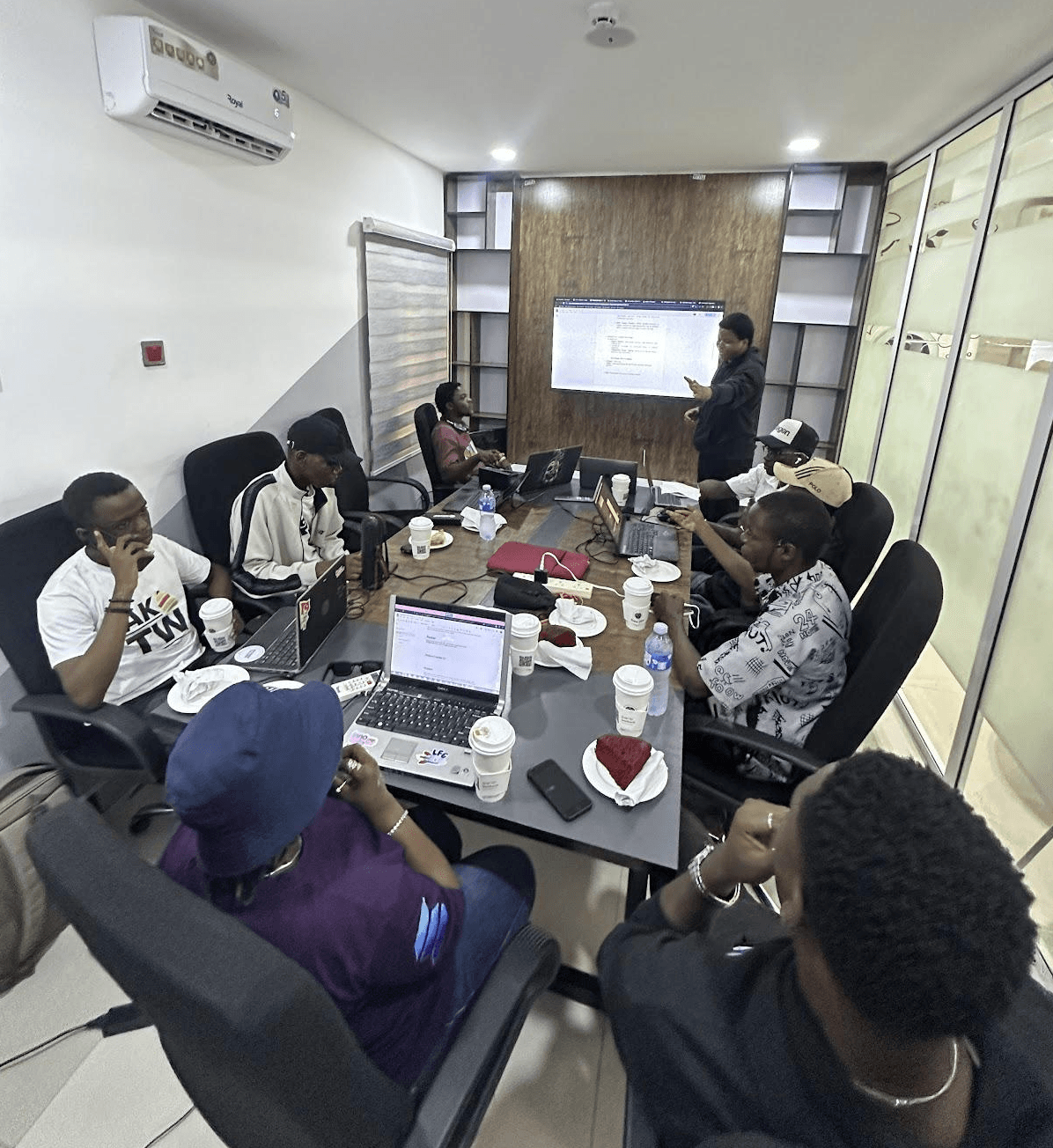
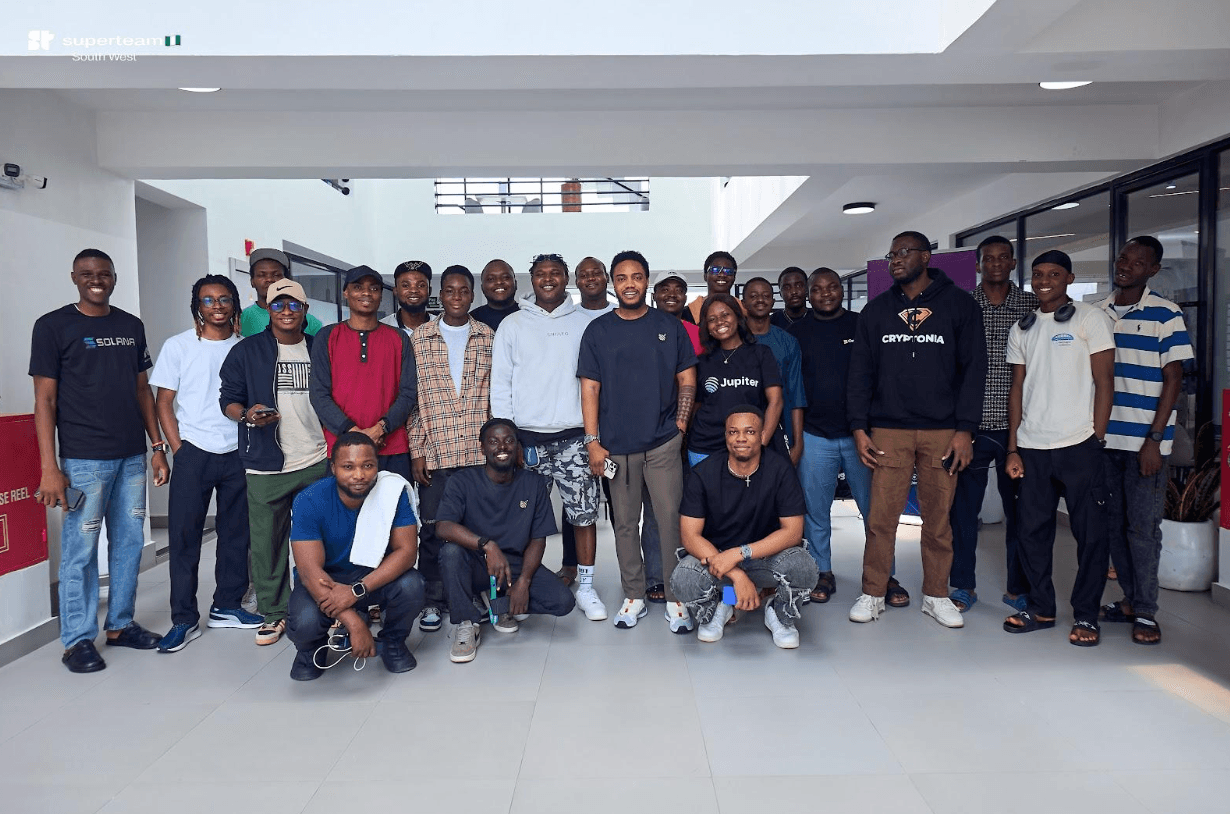
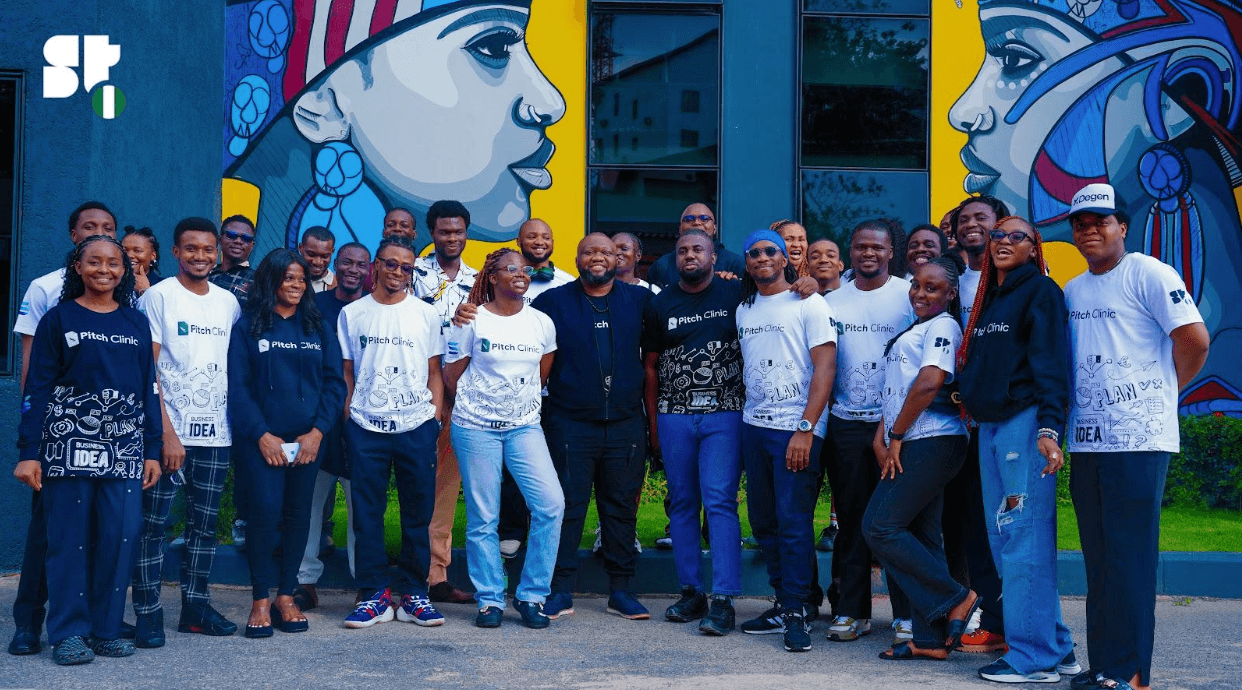

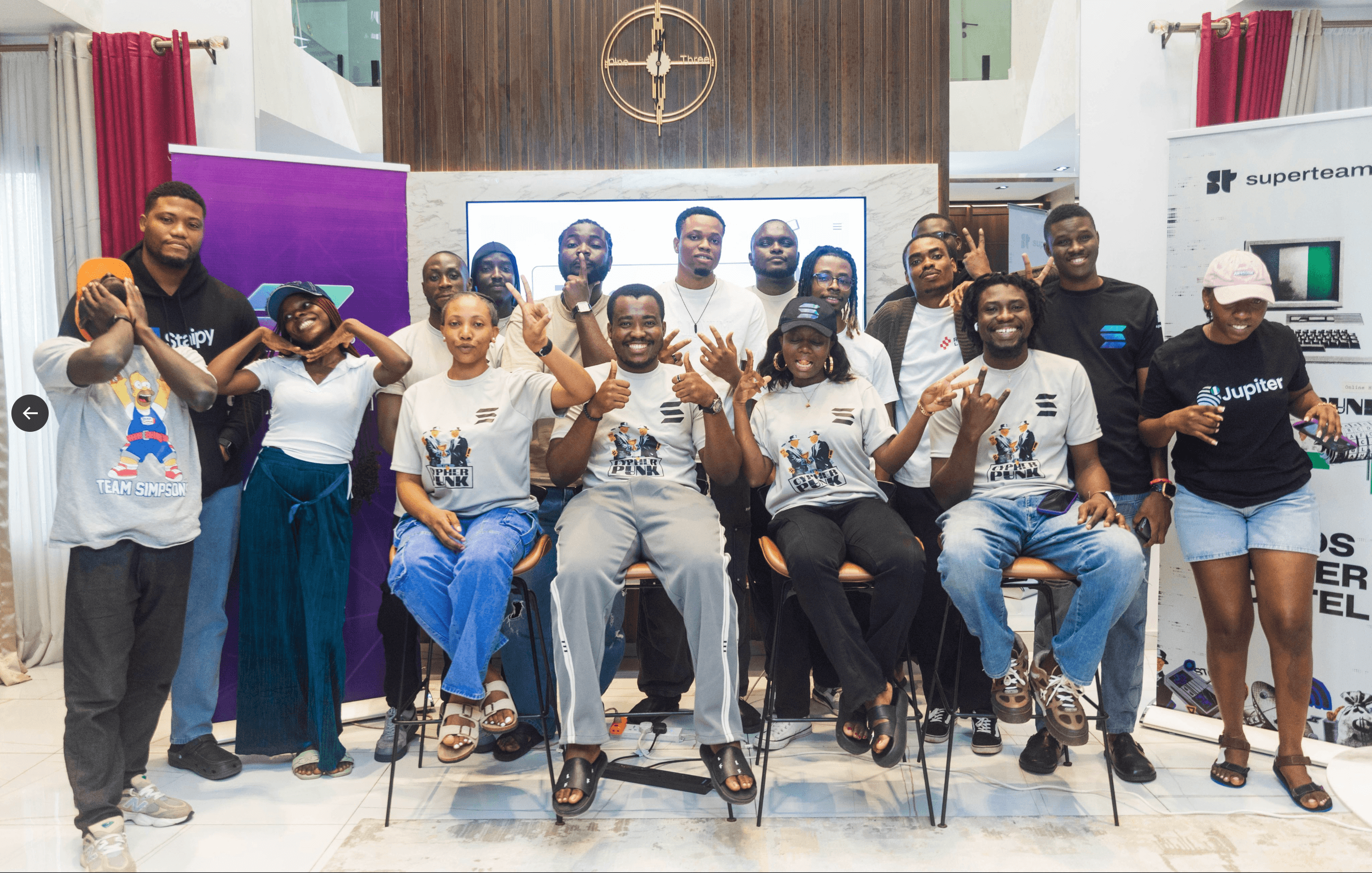
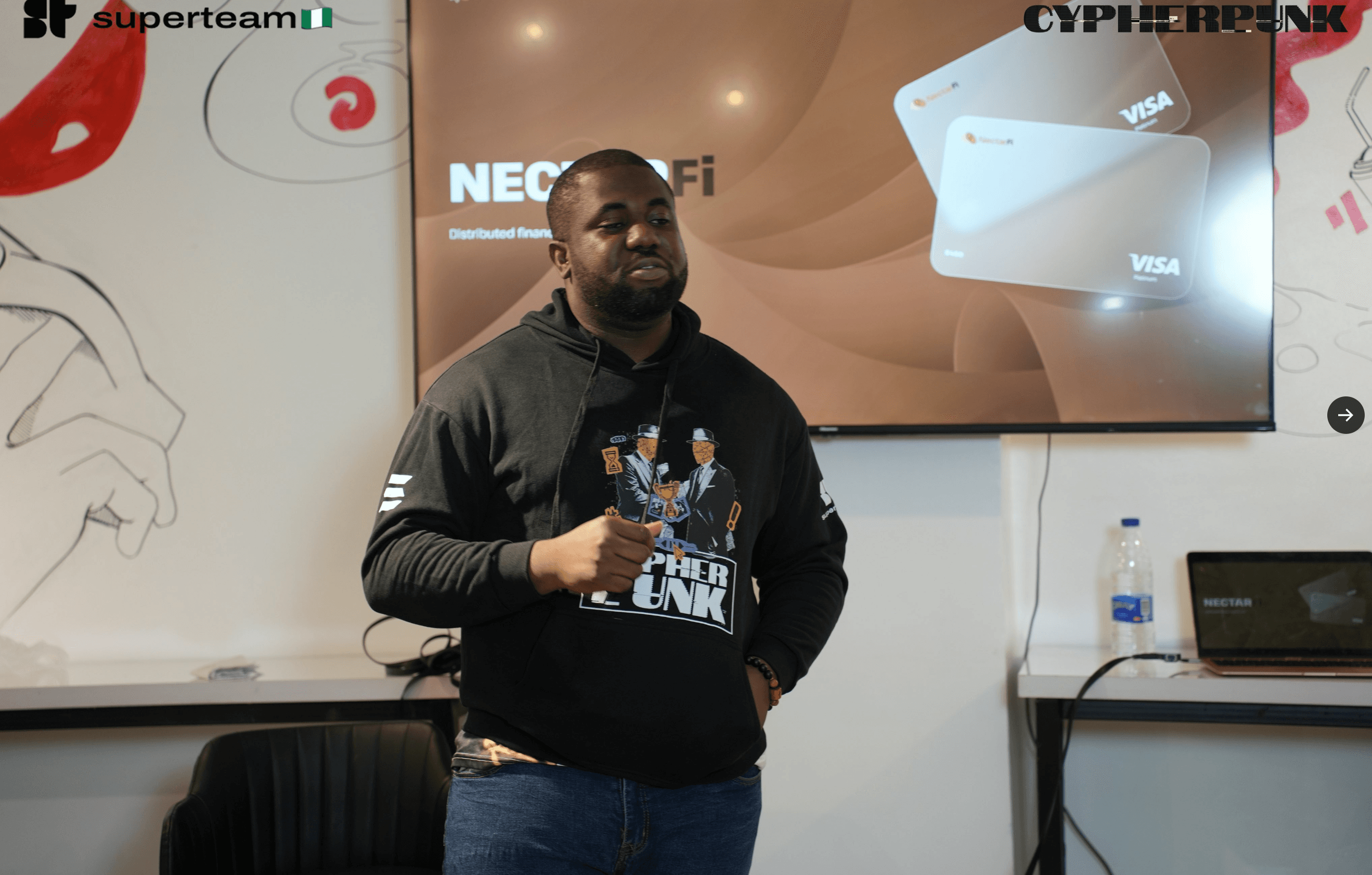
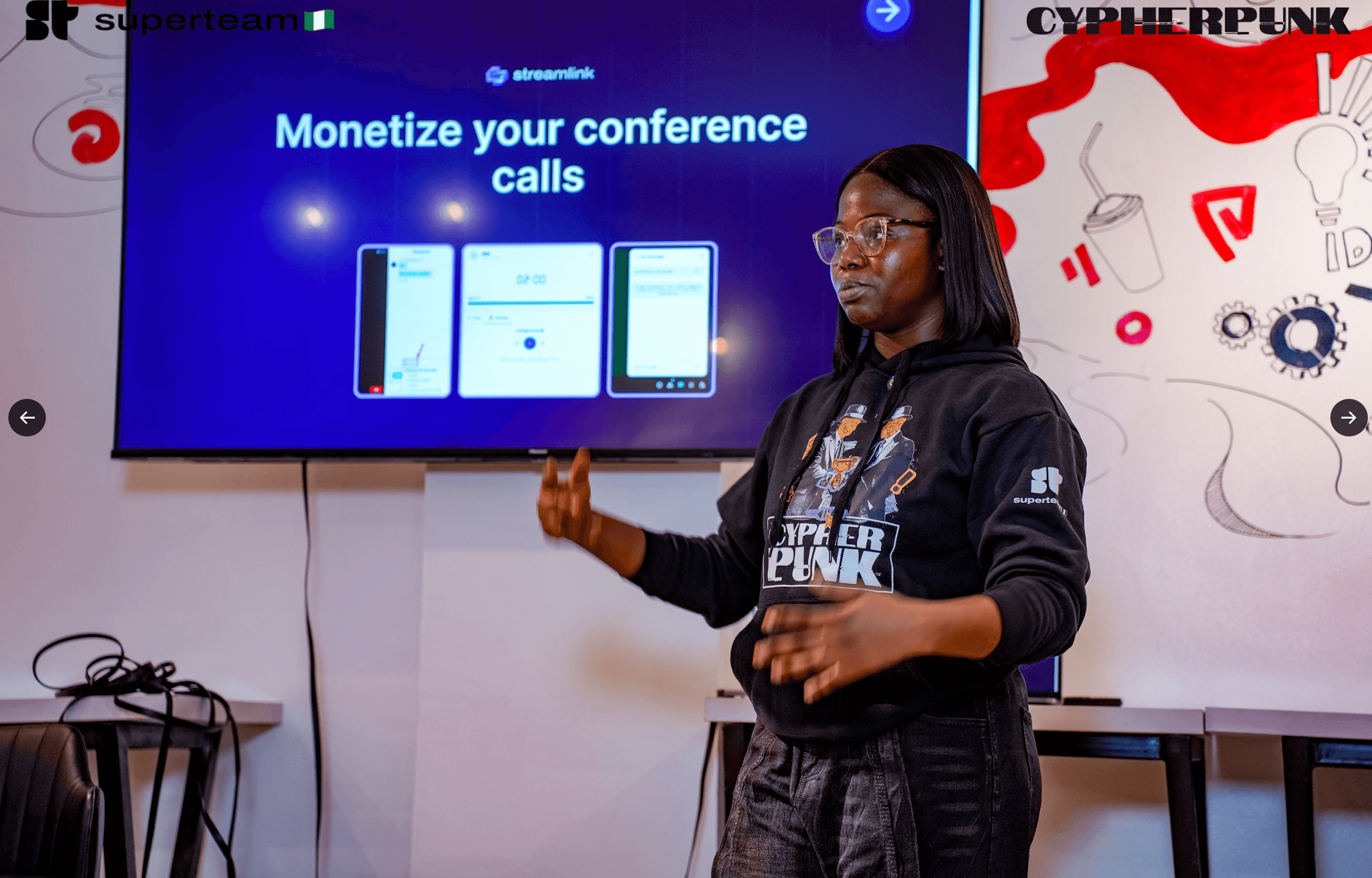
DEVELOPER HACKATHON
Key Wins
Sonic Mobius Hackathon
The Sonic Mobius Hackathon stood out as one of the year's biggest innovation events. We were proudly represented by Swiv, which secured 3rd place in the DeFi track, earning $20,000 for building a decentralized exchange that leverages Sonic's high-speed infrastructure to power perpetual swaps.[11] That win immediately positioned our engineering skills on the global map.
Solana Breakout Hackathon
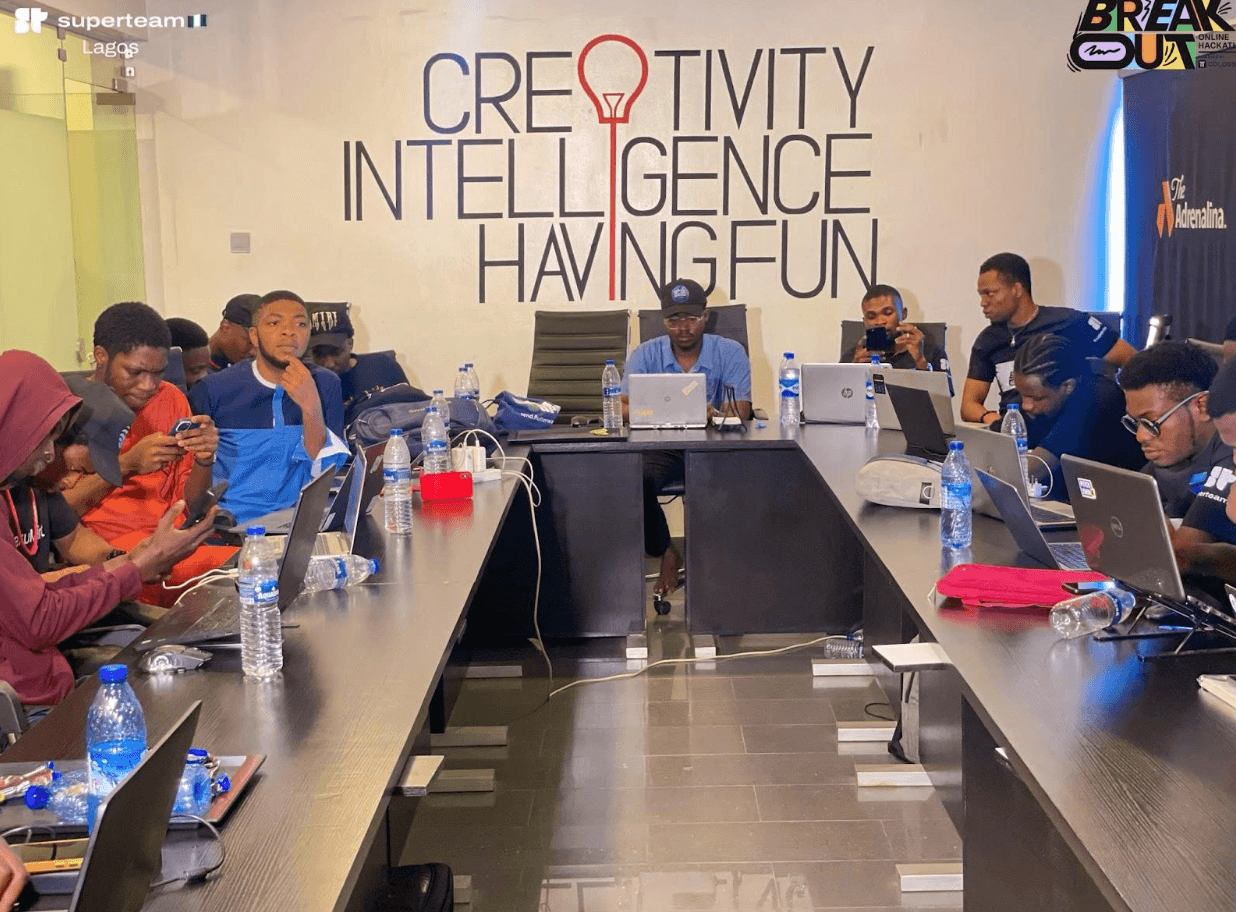
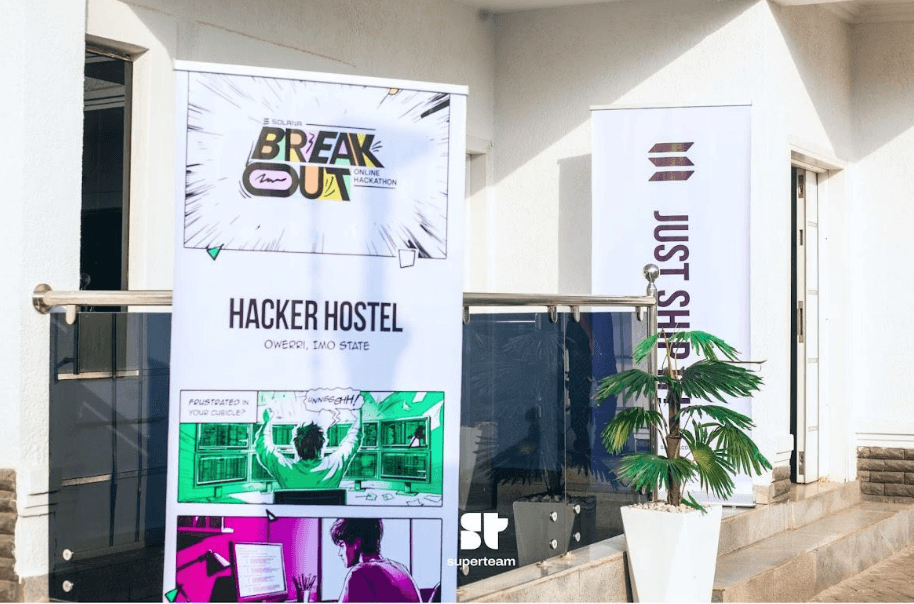
The Solana Breakout Hackathon kicked off in April, and we spearheaded support for our participants. By the end of submissions, Nigeria ranked second globally with an impressive 175 entries. Our partnership with AltSchool to sponsor the national track of the hackathon led to several market-ready products:
Cypherpunk Hackathon
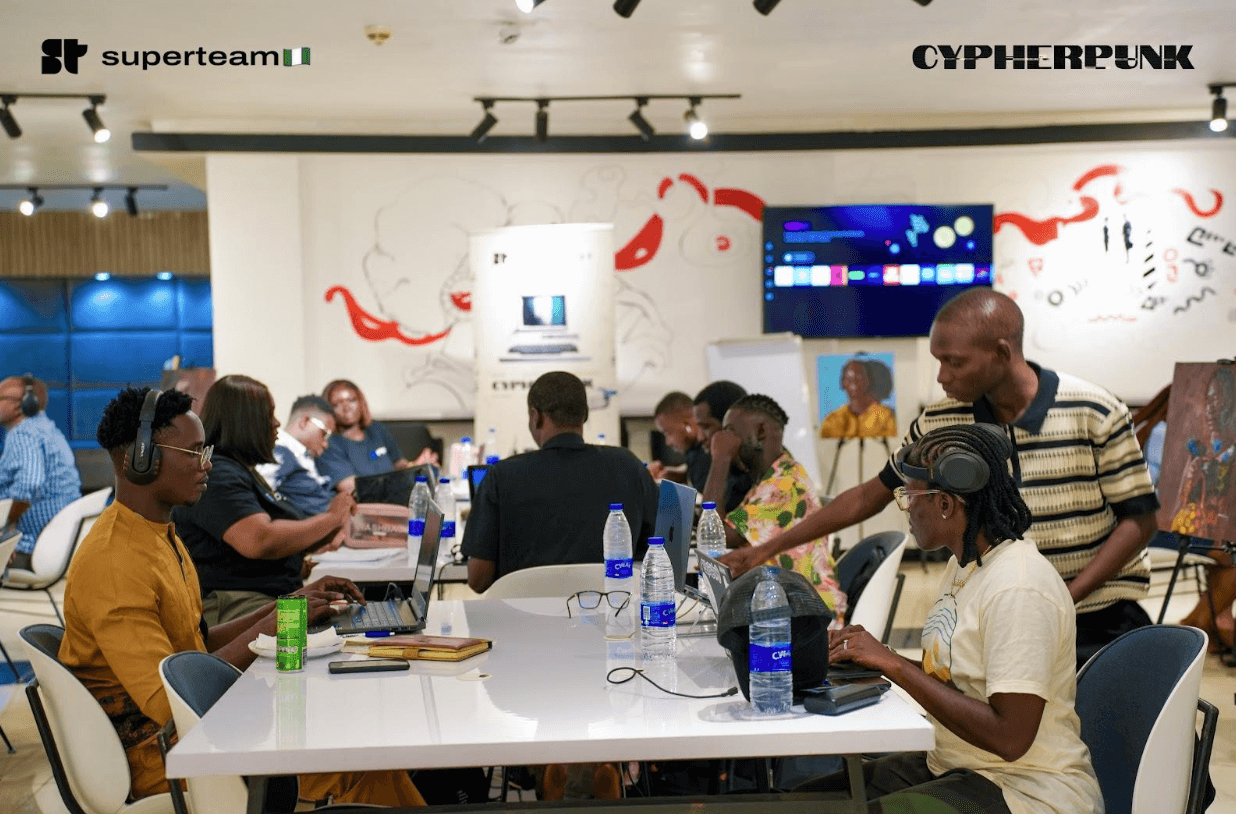
Our competitive standing was validated on a global scale at the Cypherpunk Hackathon, where Nigeria ranked among the top two countries globally in registrations, delivering a staggering 166 submissions. Our dedicated track, in partnership with NIYA, validated the local talent surge[22]
DreamNet x SendaiFun
Fable won a major $8,000 prize at DreamNet x SendaiFun for building an AI-powered, emotion-aware chat app.[23]
Devfun World Cup
Simultaneously, Blabzr beat entries from India, Europe, and Asia to win the Devfun World Cup, proving our builders can out-create anyone when it comes to unconventional ideas.[24]
Crucially, these events became undeniable talent pipelines. Adeola Lasisi converted a win at the Solana Student Africa Hackathon into a fully sponsored Web3Bridge Cohort XIII spot.[10]
Beyond these main track victories, our builders also consistently racked up wins across various side tracks, including the Crafts Dev Side Track and a College.xyz Side Track, demonstrating comprehensive competitive depth.[10]
CONTENT HACKATHONS
In addition to our triumphs on the developer hackathons, our members also brought home wins in content-focused hackathons:
Solana Global Creator Competition (SGCC) — 6 of 14 Winners
The Solana Global Creator Competition (SGCC), organized by Little Unusual, marked the beginning of a remarkable run for Nigerian creators, with Superteam Nigeria securing extraordinary global placements: six out of 14 total winners came from the region.[11]
Chomp Creator Contest — Multiple Wins
This success was part of a broader, sustained engagement in creative events, including the multi-stage Chomp Creator Contest.[11]
Solana Contentathon & FALL OUT — Multiple Track Wins
The Solana Contentathon[21] and FALL OUT Content Hackathon (organized by the Solana Collective), where Nigerian creators secured multiple track wins.[10]
Redacted Hackathon — 45 Track Wins, $20,000+
This collective momentum ultimately led to a period of dominance at the Redacted Hackathon (organized by Helius Labs): In May alone, Nigerian participants had swept 22 out of 38 tracks, winning over $20,000, and by July, they had cemented their lead by recording the highest overall total with 45 track wins.[16]
Economic Impact
But it's not enough to list these hackathon wins as merely wins; beyond the wins themselves, they've had a tremendous impact on individuals by fixing economic problems, especially in this part of the world:
For one, the prize money and project funding secured represent a critical pathway for talented builders to achieve financial independence. $20,000, $8,000, $5,000, paid in crypto, offers a stable and significant income stream that is shielded from the Naira's inflation. A $20,000 win can be life-changing, equivalent to several years of a typical Nigerian salary.
Furthermore, the hackathon structure also perfectly embodies the "work to earn" and "proof-of-work" philosophy. Unlike traditional systems where opportunity often depends on connections, credentials, or geographical location, hackathons are meritocratic. If you build a valuable product that solves a problem, you are immediately rewarded and validated. Hence, hackathons bypass the systemic limitations of the local economy.
Winning global hackathons puts Nigerian engineering and product skills on the map. Beating entries from India, Europe, and Asia (as Blabzr did) provides proof of competence at a global standard. This makes Nigerian developers highly attractive to international Web3 companies, leading to high-paying remote jobs and freelance contracts.
Finally, the fact that Nigerians won 22 out of 38 tracks in the Redacted Hackathon and secured six out of 14 total placements in the SGCC highlights a structural dominance. This concentration of wins attracts more global attention and investment into the Nigerian Web3 space.
But hackathon victories are only the visible output; the real infrastructure was built through the events and community gatherings that trained, connected, and mobilized these winners.
EVENTS & COMMUNITY GATHERINGS
Event and community gatherings cultivate cultural moments that fundamentally shape our ecosystem. The sustained growth and vibrancy of our network underscore a crucial principle: events and community are the engines of the ecosystem.
Event Stats
Beyond the big gatherings, the community was always in motion. We had several founders mixers from Lagos to Abuja to the Southeast, and they were equal parts brainstorming sessions and building booths. Our guilds—the writers, designers, and developers—took their knowledge and storytelling on the road, hosting in-person events across 18 states.
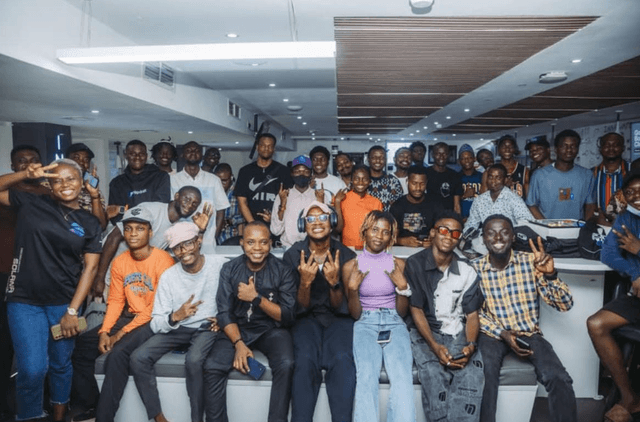
IRL Meet, Lagos
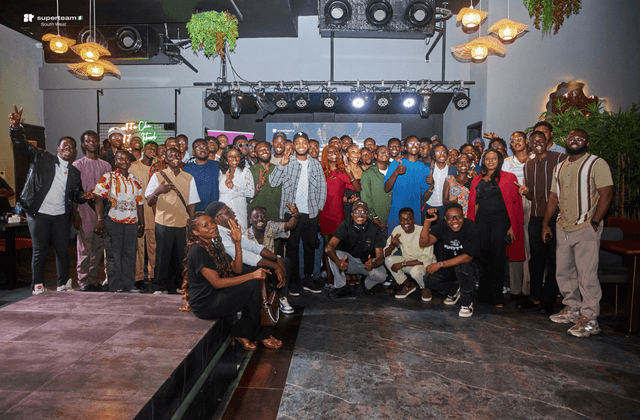
Southwest Founders' Dinner
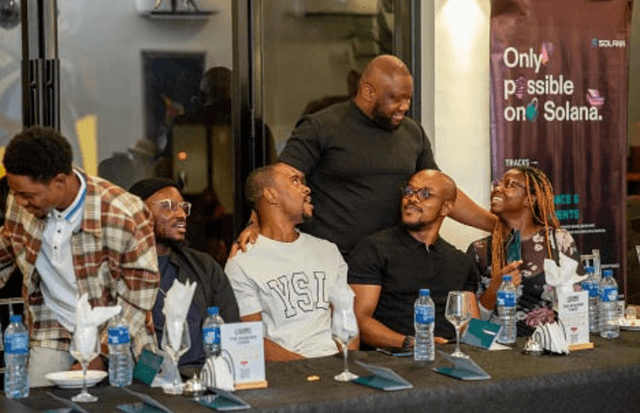
Founders' Dinner, Abuja
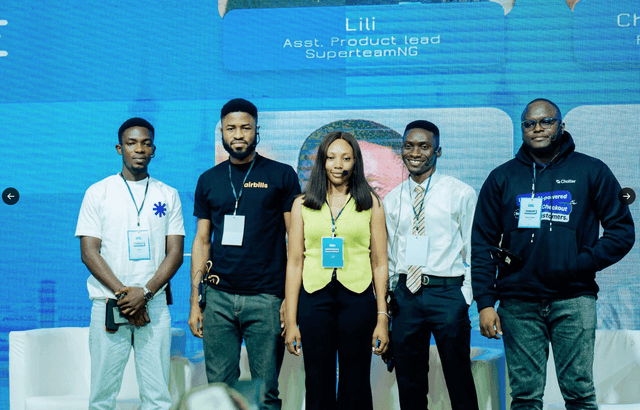
Panel Session, Solana Summit Africa
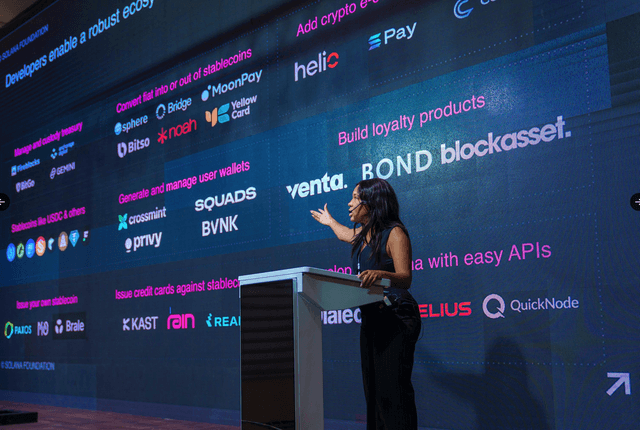
Maya Caddle from Solana Foundation
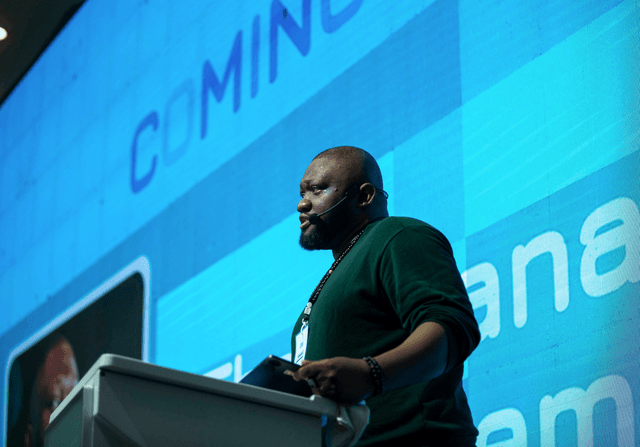
Nzube Ezudo Delivering a Keynote
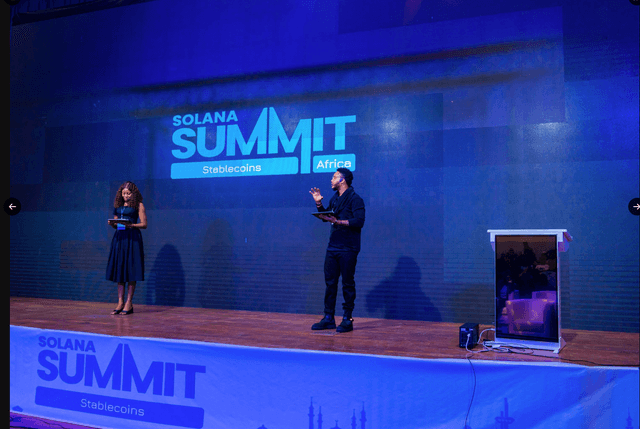
Harri Obi Hosting at Solana Summit Africa
.jpg&w=640&q=75)
Solana Summit Mixer
.jpg&w=640&q=75)
Solana Summit Mixer
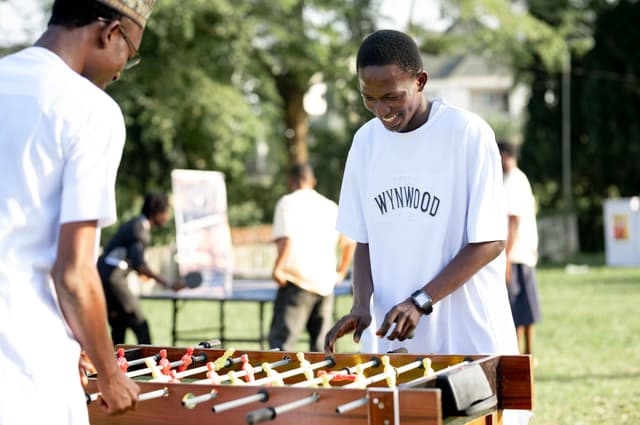
Solana Summit Mixer
.JPG&w=640&q=75)
Solana Summit Hike
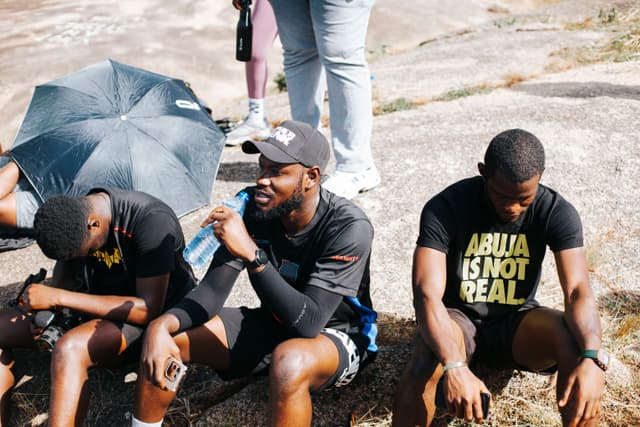
Solana Summit Hike
.JPG&w=640&q=75)
Solana Summit Football Match
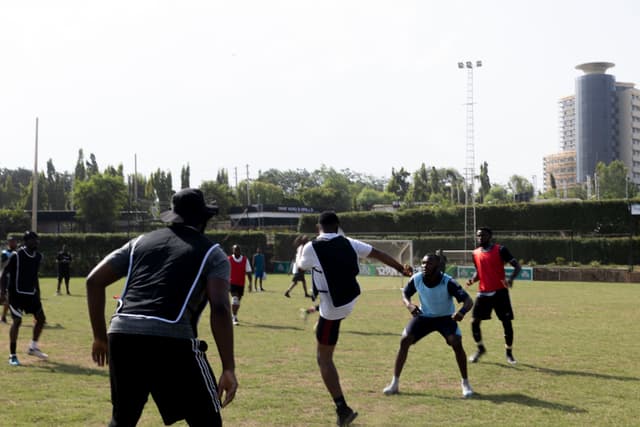
Solana Summit Football Match
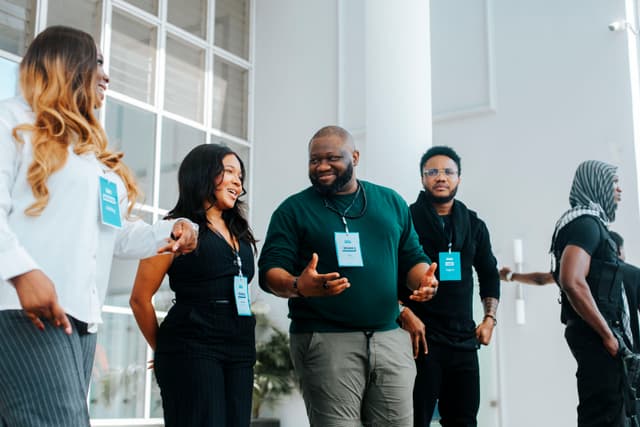
Solana Summit Africa
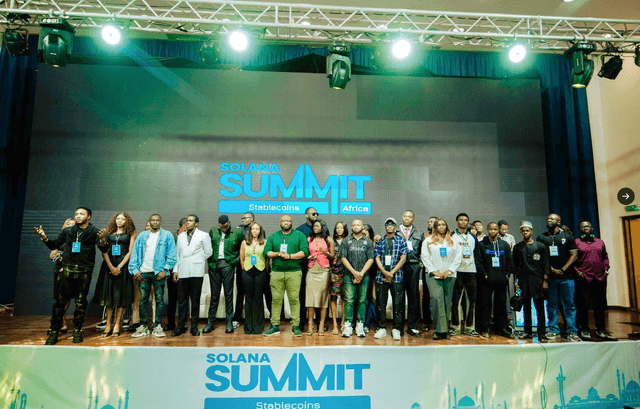
Solana Summit Africa
.png&w=640&q=75)
Startup Village Nigeria
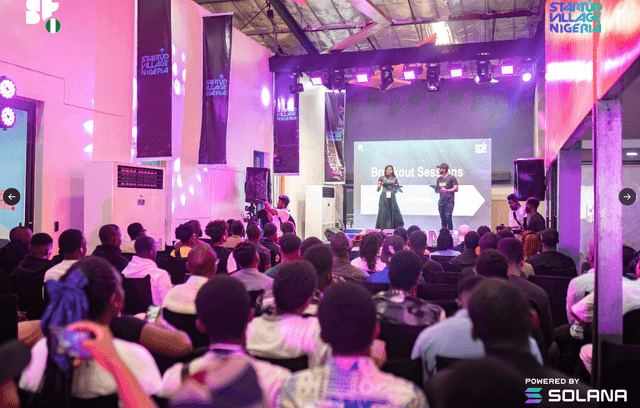
Startup Village Nigeria
Community Growth
Total Event Attendees (Virtual and IRL) skyrocketed from 49.2K in January to 92.7K in November, representing an 88.4% jump in our overall audience reach. Likewise, our Discord users grew from 7,000 to 11,095, and our X followers climbed from 27.4K to 36K. Most importantly, our number of active contributors grew from 230 to 530, a massive increase in the people actively building and shipping.
Superteam Nigeria Growth 2025
Indexed Growth (Jan = 100%)
Source: Source: Superteam Nigeria's Substack
"
This demonstrates a classic activation funnel firing on all cylinders. Superteam Nigeria was attracting crowds, but more importantly, we were converting them at scale. The massive surge in attendance created the necessary surface area to pull people deeper into the ecosystem. But the true breakthrough lies in the overwhelming explosion of active contributors.
We turned spectators into builders at a rate that fundamentally outpaced the growth of our audience. That is the essence of building a structural advantage.
Beyond these events, we had builder-focused Build Stops and Hacker Hostels meets that supplied builders with a physical location to work.[21], [16] We also had a Co-Hack Tour and Demo Circuits that extended across states and regions.[16]
By moving beyond the screen, these gatherings overcame the challenge of fragmentation and isolation inherent in remote work. This dedication to meeting in person reinforces the core idea that in this ecosystem, you have to work and build to succeed and stay above the challenges of the Nigerian economy.
The visibility from these gatherings created something equally valuable: media attention that legitimized our entire movement.
MEDIA RECOGNITION
For ecosystems, attention equals leverage, and ours was no different. The media helped de-risk conversations with incumbents and made it harder for skeptics to ignore the legitimacy of what we're building, and we capitalized on it.
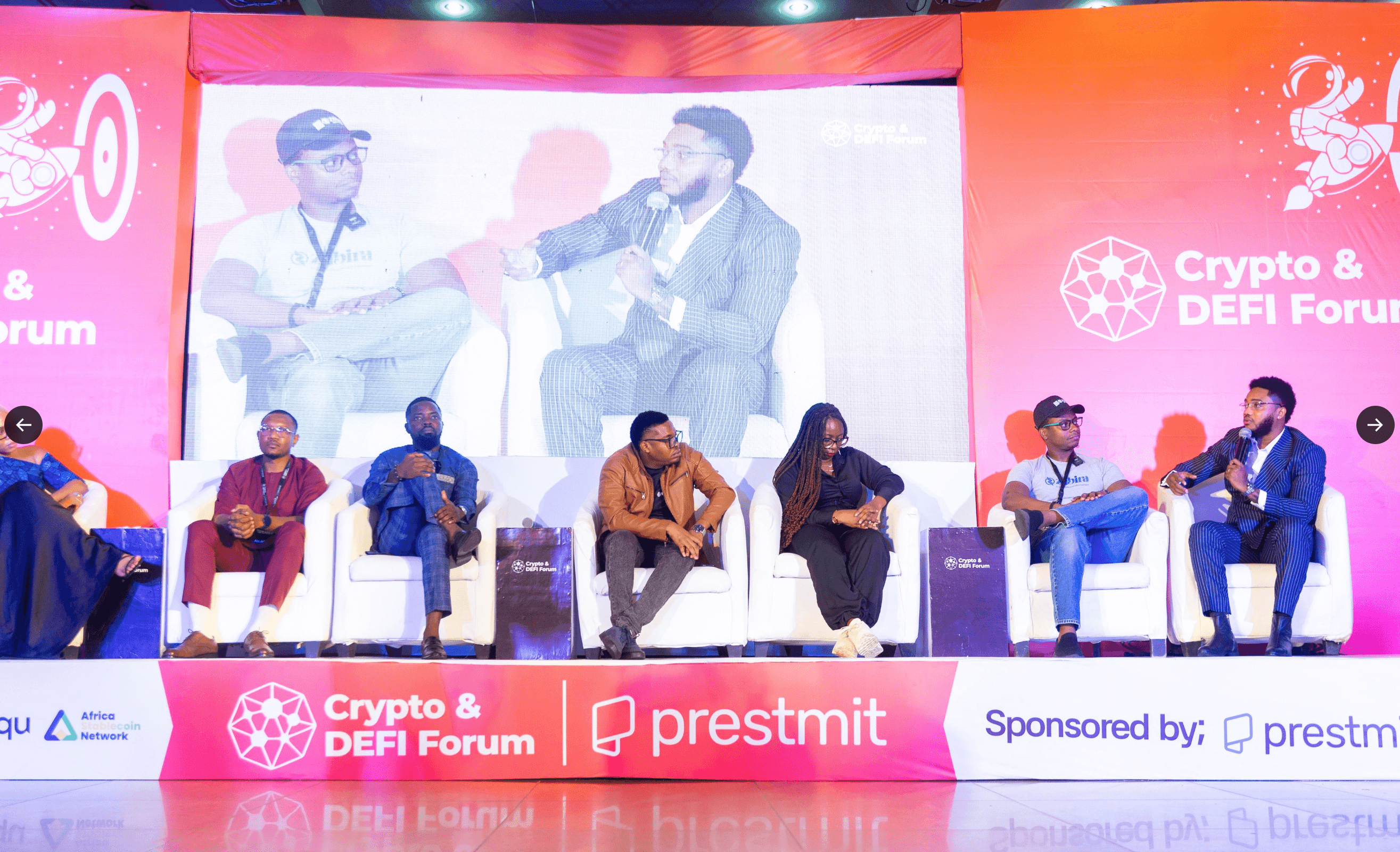
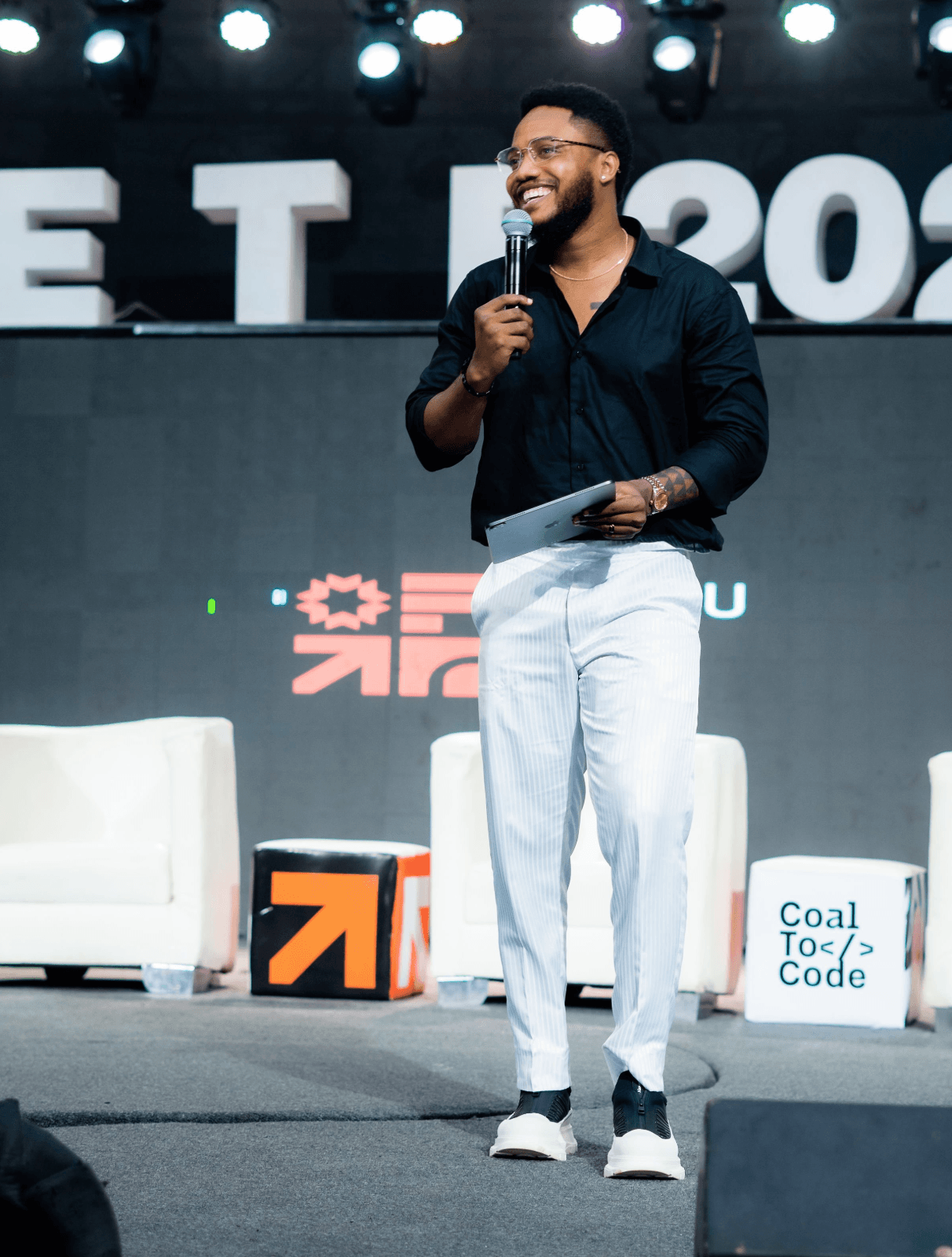
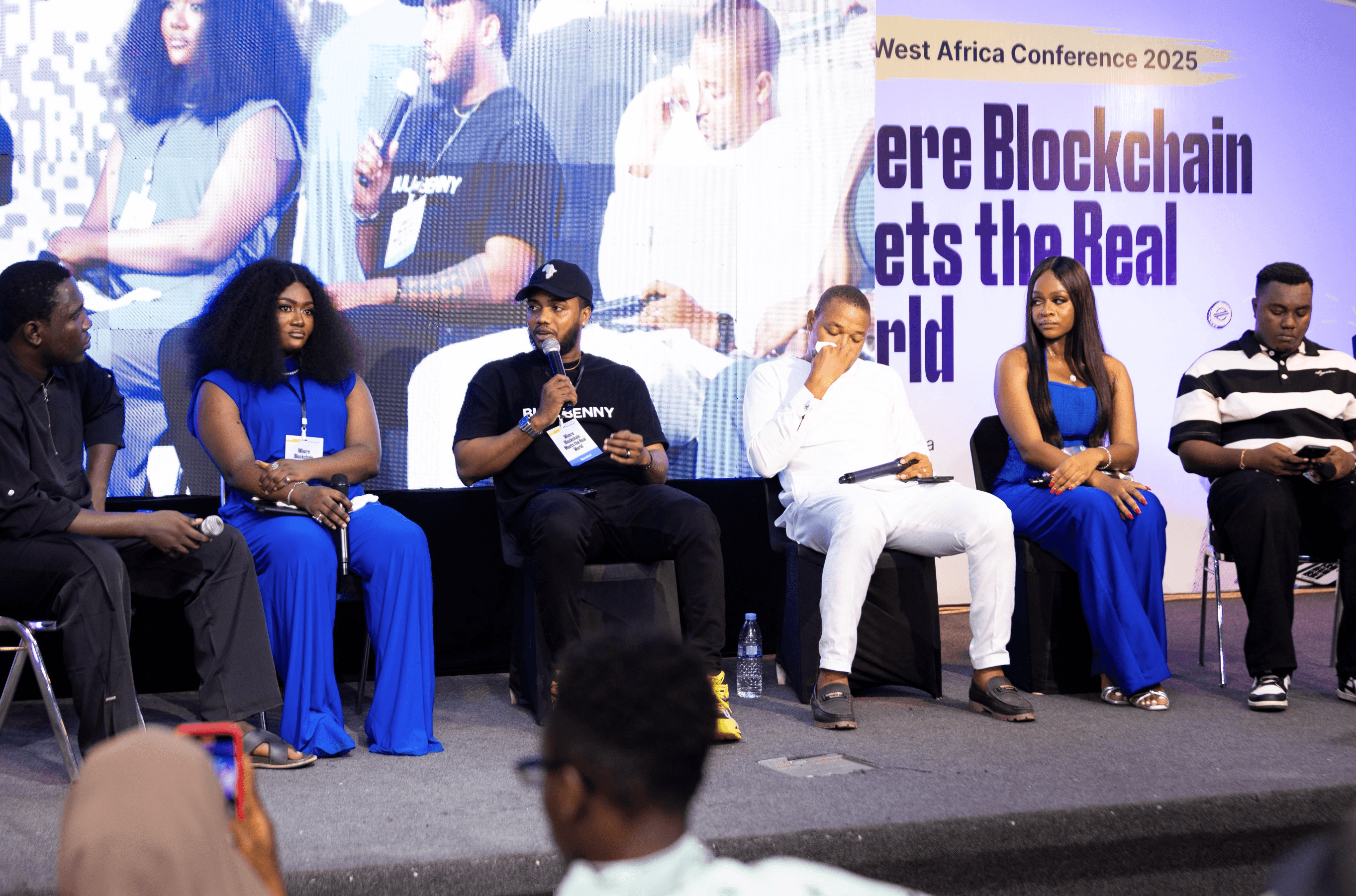
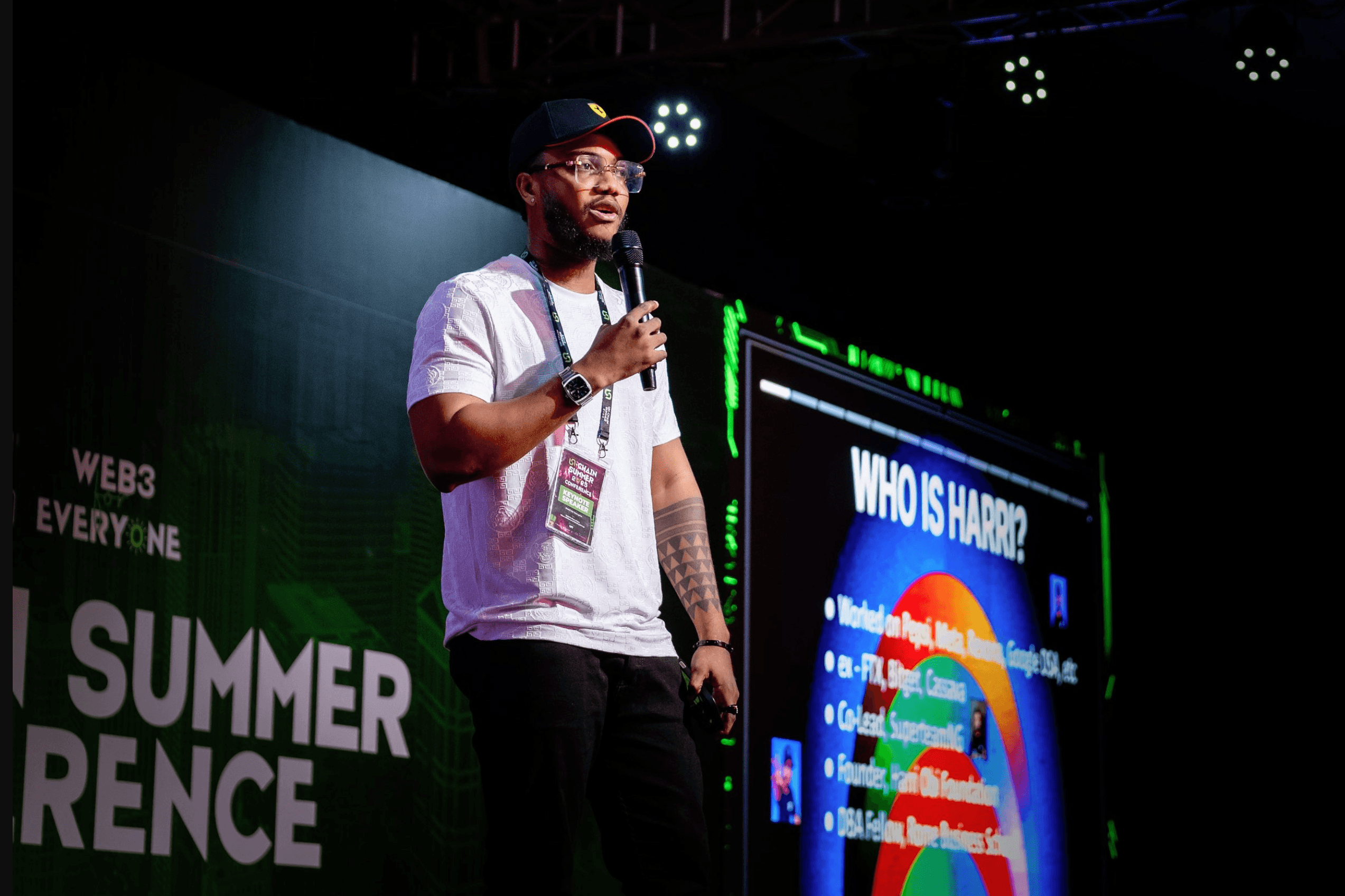
Our narrative captured headlines. We moved from addressing 1,000+ attendees at the Crypto & DeFi Forum alongside the SEC and MasterCard,[16] to delivering keynotes at Unchain Conference[15] and debating chain leaders as equals at the Stellar West African Conference.[16] Cryptonia's win at the Africa Stablecoin Summit[23] validated our position at the heart of Africa's digital finance, while our continental footprint expanded through BlockFest Africa and CryptoFest 2025.[10], [8]
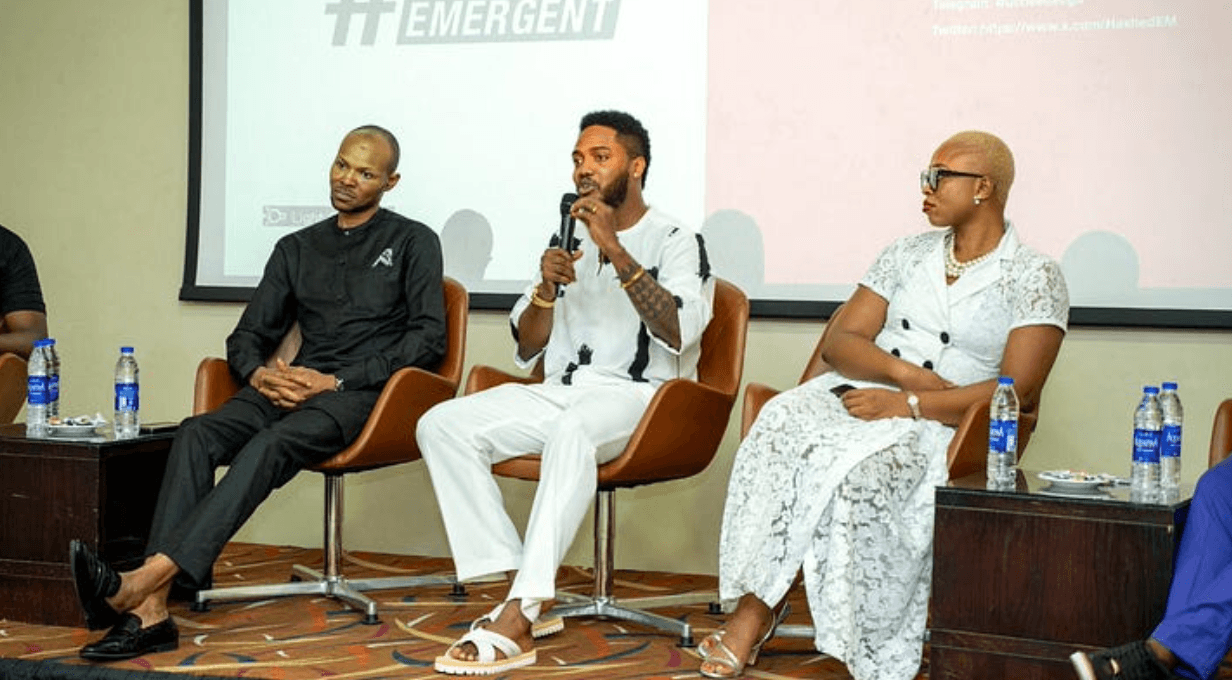
The narrative extended even beyond stages. Product features in the Not The Boring Tech Stuff newsletter reached over 300,000 people,[15] the Nigeria Web3 Landscape Report named us the epicenter of activity,[21] and the Colosseum Codex Newsletter analyzed our design bootcamp as a case study in modern talent development. Mariblock[15] dissected our model, while Birdeye pulled our incubated products like Airbills Pay and Ribh Finance into global data conversations, giving them visibility far beyond our borders.
On air, our leads broke down marketing strategy on Web3 Digest,[11] sharing job-securing tactics on Superteam Earn, and hosting daily morning X spaces on GM Solana,[12] turning individual appearances into an unmissable frequency.
With the media, we told partners, regulators, and investors that our work is consequential, expose our products and ideas to new users, markets, and collaborators at scale, and frame the story about African digital finance from our perspective, rather than let outsiders tell it for us.
Also, research and newsletters used our initiatives as case studies, multiplying our influence in academic, investor, and developer circles. With media, we were able to strategically create networks.
The media ripple mattered because it gave people hope and alternatives. It echoes that there are modern, resilient financial systems being built locally. It tells that Nigerians are not passive victims of inflation and that they're actively designing parallel rails.
But inspiration without education is just noise, so we also built the knowledge systems to feed learning at scale.
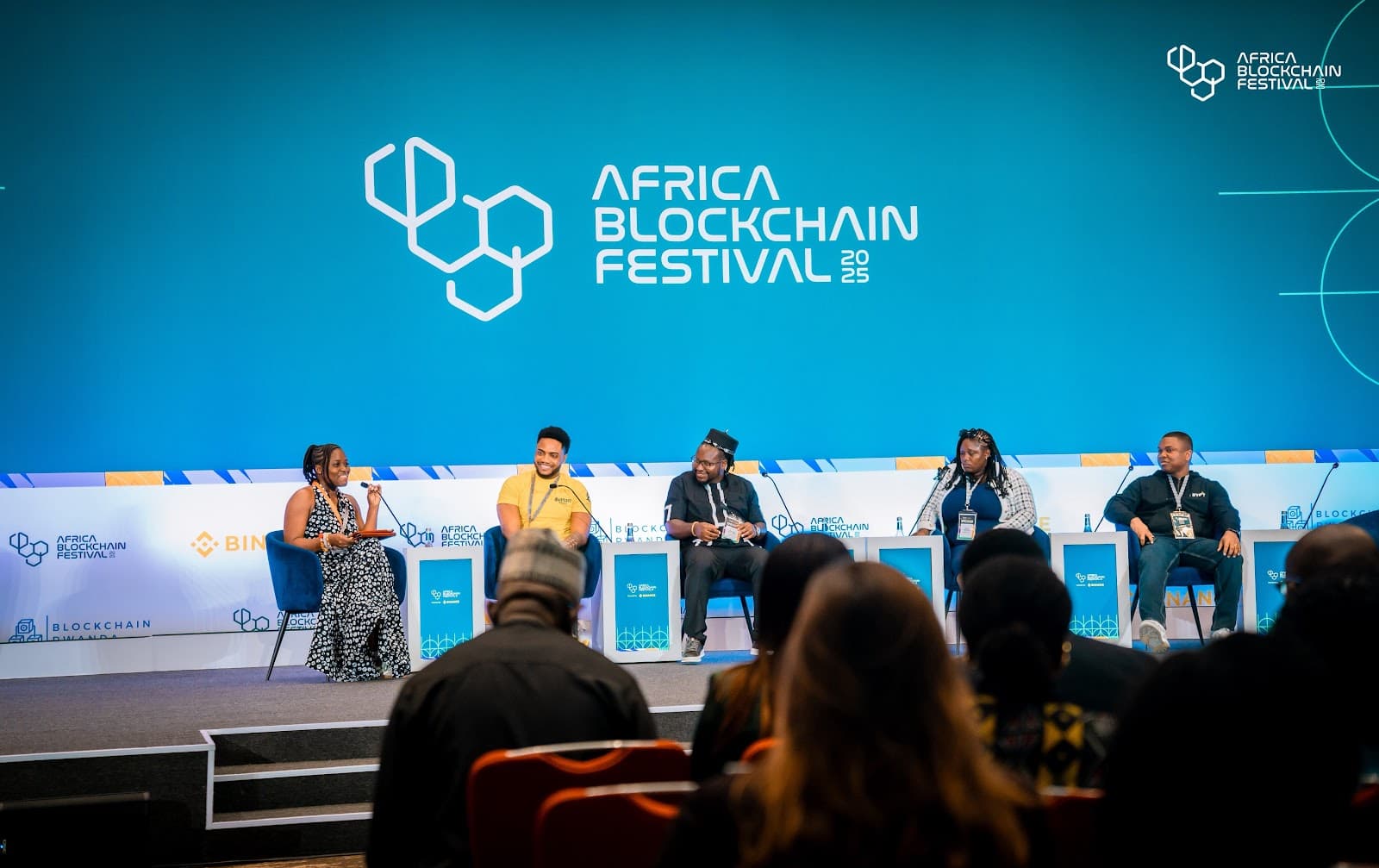
Knowledge & Content Systems
For a community building in an environment where formal blockchain education was non-existent, creating comprehensive learning pathways became an act of economic inclusion.
One of our most impactful steps was partnering with the Federal Ministry of Youth Development to launch the first national blockchain syllabus under the National Initiative for Youth Advancement (NIYA) Course[13] The result of this was that blockchain development became a viable alternative to traditional tech careers, with structured pathways instead of fragmented YouTube tutorials.
Beyond the formal syllabus, "Founders Lobby with Stephanie" turned founders' roadmaps into compelling stories,[21] while the Super Founders series offered direct lines of learning from builders who had already walked the path.[23] With this, new builders could see the full journey from idea to execution, learning from real failure points and breakthrough moments.
The EVM-to-SVM workshops specifically converted experienced developers into Solana builders,[15] and the "100 Blockchain Terms" guide helped more people understand the ecosystem.[17] Our community actively promoted products with social media content like The Top 5 Weekly Product Highlights and the Product Yap sessions on X Spaces[10].
All these deliberate, self-reinforcing loop of knowledge infrastructure in a hyperinflationary environment, leads to economic survival. It also meant that when opportunities emerged, our community showed up prepared.
None of this would have been possible without first addressing the fundamental misunderstandings plaguing the space.
THE 5 BIG PIVOTAL MOMENTS OF 2025
Crossing the $1M ecosystem GDP mark
Government Partnerships
Ranking second-place globally at Breakout and Cypherpunk Hackathons
Products generating revenue
Market Distribution
Challenges, Triumphs & The Bear We Outran
To initiate true reform, one must first conquer the limitations of the mind. Within the Nigerian Web3 space, a common, yet limiting, mindset prevails: the belief that this is a 'fast cash, make-it-quick' industry, fueled by visible, high-stakes activities like trading.
This belief system is deeply ingrained in many who enter the space. The idea of securing a long-term, remunerative job or building a career within Web3 is, ironically, a foreign concept. The Superteam Nigeria community was therefore tasked with a foundational challenge: correcting this perception and clearly articulating that sustainable earning is contingent upon the principle: we work, and then we earn.
This philosophical battle was existential as the temptation to chase quick wins is overwhelming. The bear we're outrunning isn't just poverty; it's the desperation that makes people vulnerable to scams and unsustainable schemes. Our answer was to build a marathon culture in a sprint-obsessed environment.
BUILDING PROOF FROM ZERO
When we announced our intention to track community GDP, skepticism was immediate and visceral. "How can you measure what people earn?" "Won't people lie about their numbers?" "Why does this even matter?" The concept itself was foreign: communities don't typically publish their economic output because it's messy, vulnerable, and exposes you to criticism.
More fundamentally, we faced the cold-start problem: in January, while $422,624 was substantial, it represented only a fraction of what our members could achieve. Many talented individuals were still trapped in the trading mindset, chasing 100x meme coins instead of building skills that compound.
🐻 The Bear: The bear was breathing down our necks: double-digit inflation meant that standing still was falling behind. Every month someone delayed building real skills was a month their savings depreciated.
How We Overcame: We made GDP visible, tangible, and aspirational. Each month, we published the numbers, not to brag, but to prove what was possible. We broke down the four earning streams (bounties, grants, jobs, hackathons) and showed exactly how members were earning. When someone won a $5,000 hackathon prize or secured a $3,000/month job at a Solana project, we celebrated it publicly.
This transparency created a powerful psychological shift: if your peer from the same city, facing the same inflation, could earn $10,000 in a quarter through bounties and hackathons, then you could too. The GDP became a north star, a collective proof-of-work that countered the "fast money" narrative with "smart money."
We also gamified the climb. The race from $400K to $1M wasn't just numbers, it was a shared mission. Members started asking, "How can I contribute to pushing us over the line?" This transformed passive observers into active contributors.
The community embraced radical accountability. In a culture where opacity often shields failure, we chose transparency. The month-over-month growth from $422K to $1.179M wasn't smooth—there were plateaus, setbacks, months where growth slowed—but we kept publishing the numbers because the commitment to truth-telling was non-negotiable.
What This Reveals: It reveals a community that understands that outrunning the bear requires knowing exactly how fast you're running. You can't improve what you don't measure, and you can't inspire others with vague promises. The GDP was our scoreboard, and every member could see their contribution to it.
LEGITIMACY IN THE LAND OF SKEPTICS
Nigerian regulators and institutions view crypto with deep suspicion, shaped by years of Ponzi schemes, collapsed exchanges, and sensational fraud cases. Walking into the Federal Ministry of Youth Development or the House of Representatives was risky. One wrong move, one ill-advised statement, and we could trigger restrictive regulations that would kill the ecosystem overnight.
Internally, we also faced pushback: "Why are we talking to the government? They'll just regulate us to death." "Why do we need their approval? Web3 is supposed to be permissionless." These weren't unreasonable concerns—many in the community had been burned by institutional gatekeeping their entire lives.
🐻 The Bear: The bear here was regulatory annihilation. If policymakers decided crypto was a threat, they could effectively ban on-ramps, freeze exchange accounts, or criminalize participation. We'd seen it happen in other jurisdictions.
How We Overcame: We led with data, not ideology. When presenting to the House Ad-hoc Committee, we didn't talk about "decentralization" or "overthrowing the system." We talked about youth unemployment, Naira inflation, and the $464,904 our members had earned in bounties—money that stayed in Nigeria, was taxed when spent, and lifted families out of poverty.
We also leveraged respected figures. Having the SEC Director General (represented by Dr. Hassan) deliver a keynote at our summit was mostly about showing that thoughtful engagement was possible. We positioned ourselves not as disruptors, but as builders of the parallel infrastructure the economy desperately needed.
For institutional partnerships (Modibbo Adama University, Kwara State, NYSC), we offered something tangible: a curriculum, a trained workforce, measurable outcomes. Universities didn't have to believe in crypto's philosophy, they just had to see that their graduates were getting jobs.
What This Reveals: The community is strategically pragmatic. We're not libertarian purists who refuse to engage with institutions. We understand that in Nigeria, legitimacy is currency, and that the fastest way to scale impact is to work with the system, not against it. This reveals a community that knows you can't outrun the bear if the bear is actively chasing you down with regulatory bans. Better to make the bear a partner, or at least convince it to chase someone else.
SURVIVING THE VALLEY OF DEATH
Building a startup in Nigeria is statistically suicidal. Infrastructure is unreliable, access to capital is limited, customers are price-sensitive, and the regulatory environment is opaque. For Web3 founders, add another layer: educating a market that doesn't understand blockchain, competing with scams for trust, and navigating the technical complexity of building on a nascent ecosystem.
Many founders entered with barely viable ideas; solutions searching for problems, or worse, solutions to problems that didn't generate revenue. The "just raise a round" mentality from Silicon Valley Twitter didn't work here: Nigerian VCs were scarce, risk-averse, and primarily focused on fintech or e-commerce, not crypto.
🐻 The Bear: The bear was the Valley of Death: the period between launching a product and generating enough revenue to survive. Most startups die here, not because the idea is bad, but because they run out of cash before achieving product-market fit.
How We Overcame: We built a crucible, not an incubator. The Pitch Clinic led by Nzube Ezudo was where weak ideas went to die. Founders couldn't hide behind slides or buzzwords; they had to defend their models.
Founders learned to weaponize their stories, turning "I need funding" into "I've processed $200K in transactions with a 15% MoM growth rate; here's how $50K accelerates us to $1M."
If your UI was confusing, your value proposition unclear, or your go-to-market strategy naive, you heard about it, to save you from wasting months building something nobody wanted.
What This Reveals: The community is ruthlessly focused on survival through revenue. In an environment where you can't rely on funding rounds or soft landings, generating cash is the only reliable way to outrun the bear. Products that make money create jobs, attract more talent, and compound the ecosystem's credibility. This reveals a community that understands Darwinian selection. Not every idea deserves to survive, and the kindest thing you can do for a founder is tell them the truth early. The founders who made it through the crucible—Ribh Finance, Nectar Finance, Paj Cash—weren't coddled; they were forged.
THE LAST MILE PROBLEM
You can build the best blockchain in the world, but if the average Nigerian can't easily convert their Naira to crypto and back, it's useless. Most Nigerians didn't trust "new apps," didn't want to manage seed phrases, and were (rightfully) paranoid about losing money to scams.
Even when exchanges existed, many didn't support Solana.
🐻 The Bear: The bear here was the last mile: getting the solution into the hands of the people who needed it most. A migrant worker in Lagos earning $500/month in bounties needed a simple, trusted way to convert that to Naira for rent and food. If we couldn't solve this, all our work was academic.
How We Overcame: We focused on integration over innovation. Rather than asking Nigerians to download another app, we convinced the platforms they already used—Quidax, Busha, Jeroid—to add Solana support. This was a massive strategic win: suddenly, users could buy SOL or USDC with their existing accounts, using interfaces they trusted.
What This Reveals: The community is obsessed with practical utility. We don't care if Solana can process 65,000 TPS if the local off-ramp is broken. This reveals a community that knows you can't outrun the bear on superior technology alone. The bear doesn't care about your consensus mechanism; it cares about whether you can convert your earnings to buy food tomorrow. We solved for tomorrow.
THE MERITOCRACY MACHINE
Hackathons are inherently high-risk, high-effort, and low-probability-of-winning. For Nigerian builders juggling unreliable electricity, expensive internet, and the psychological weight of economic precarity, committing 48-72 hours to build something that might not win felt like a luxury they couldn't afford.
There was also the impostor syndrome barrier: "Can I really compete against developers in the US, India, or Europe? Don't they have better resources, education, and networks?" The mental model of "hackathons are for elite engineers" was pervasive.
Finally, many builders didn't know how to ship. They could code, but they couldn't package a demo, articulate a value prop, or present to judges. The gap between technical skill and compelling storytelling killed many promising projects.
🐻 The Bear: The bear here was opportunity cost. Every hour spent on a hackathon that didn't yield results was an hour not spent on paid work, which in an inflationary economy, was money lost.
How We Overcame: We made hackathons a team sport. Rather than individuals grinding alone, we organized Hacker Hostels and Co-Hack Tours—physical spaces where builders worked together, shared knowledge, and held each other accountable. This transformed the experience from isolating to communal, and dramatically increased completion rates.
After submitting to a global hackathon, projects pitched at local demo days, receiving feedback, small prizes, and momentum. This meant that even if you didn't win globally, you still got value: a refined pitch, community validation, and sometimes enough funding to keep building toward mainnet.
What This Reveals: The community has embraced proof-of-work as identity. We don't ask for handouts or lowered standards; we show up, build, and win on merit. The 175 submissions to Solana Breakout (2nd globally) and 166 submissions to Cypherpunk (top 2 globally) weren't because we had more people—it was because we had a higher activation rate. This reveals a community that understands hackathons are the ultimate equalizer. The bear can't stop you from winning a global hackathon if your product is better. No amount of Naira devaluation can take away a $20,000 prize paid in crypto.
However, we didn't solve the problems we had with only talk or theories. We solved them because we had the right people in the right places, doing the unreasonable work that ecosystems demand.
STANDOUT MEMBERS
This crew is a family of builders driven by a shared, almost ferocious understanding: the bear catches isolated runners, but it can't catch a coordinated pack. So we run together, pull each other forward, and share every breakthrough.
Nzube Ezudo (Lead)
Nzube Ezudo, the lead, was the core. He tirelessly aided founders with business development strategies, rapidly earned judging roles on global stages where his judgment became the absolute benchmark for excellence, created essential video content for founders through the Pitch Clinic, and delivered a foundational keynote at the Solana Summit.
Harri Obi (Co-Lead)
Harri Obi, the co-lead, operated at an unreal range. He moved seamlessly from building the community and teaching Web3 marketing on popular podcasts, events, and X spaces, to flying to Cape Town to host Solana's flagship event for all of Africa, to shaping policy within the National Assembly. The pace and scale of his impact were simply staggering.
Guild Leads
But this wasn't exactly a top-down hierarchy. It was a distributed neural network firing from multiple nodes simultaneously. The Guild Leads filled in every piece of the scaffolding with equal grit and brilliance:
Outis • Writers Lead
forged an army of researchers and wordsmiths, sharing writing gems, running stellar review sessions and hosting workshops to refine their craft.
TOC • Design Lead
exported our design ethos directly into state government offices and hosted brilliant design jam sessions.
DamiDx • Animation Lead
constructed an entire animation guild from nothing but raw talent and sheer will.
Ashley • Product Lead
ensured that products found that elusive product-market fit.
Alex • Developer Lead
led the developers to code, build, and win repeatedly.
Kryptdou • Video Lead
helped our video creators tell powerful stories.
Monarch • Events Lead
turned every event into genuine cultural currency.
Goddess • Community Lead
kept the community vibrant, hosting magnetic gatherings both online and on stage.
Flo • Operations
worked behind the scenes as the tireless force, moving every piece into place.
Other Notable Members
Asides from the leads, we had members who couldn't stop doing great work.
earned global attention when his open-sourced project, Bifrost, caught the eye of Solana co-founder Anatoly Yakovenko himself.
was selected for Superteam Singapore's Ignition Season 3 cohort at Balaji Srinivasan's Network School and tapped as a core Talent Scout.
leads marketing efforts for Jupiter Exchange in Nigeria.
So you're probably wondering: where am I in all of this?
MY SUPERTEAMNG IMPACT STORY
Just being in Superteam Nigeria this year has been wildly instrumental to my growth. Toward the end of last year, I received a grant to help writers get better at their craft.
Once the holiday dust settled and the new year kicked in, I got a laptop. That laptop became my entire universe. My engine for writing, researching, teaching, everything. I poured some of that grant money straight back into the community, hosting a 5-day writing class that pulled in over 70 students cumulatively.
I kept going. I wrote pieces on the Solana ecosystem that were eventually published on Coinmonks. I got over my fear of the camera and shot an ad for Startup Village. At Startup Village, I found myself on a stage talking about writing in Web3. This is the first time I publicly spoke on something I genuinely loved. It flipped a switch inside me.
I met people at mixers, hacker hostels, dinners — people who've become real friends and a proper support system. And through all of this, I grew in directions I never planned but now deeply cherish.
As the Writers Lead for Lagos, I also hosted a hangout where I got to teach, help others discover their voice, and just touch grass. I moderated panels at the Lagos Founders Mixer and at the Solana Summit. Each step was a fresh stretch, a new internal monologue of: "You've never done this before, but you're absolutely going to crush it."
And then this year, I took on a whole new challenge: becoming Product Co-Lead with Ashley. That role dragged me out of my shell even further. I hosted my first X Spaces (something I'd have dodged before) and have been showing up consistently ever since.
Looking back at this whirlwind year, everything boils down to one thing: this community makes me better.
It keeps showing me that my work matters, that my voice deserves to be heard, and that I'm part of something much bigger than myself. They extended a hand to me when I started; now, I have the privilege of holding it out for others.
That is the true, lasting impact Superteam has had on me in 2025: a deep blend of confidence, opportunity, bold growth, and a sense of belonging.
And here's what that means in the context of the bear we're all outrunning:
That laptop I bought with grant money earned through proof-of-work was my hedge against the Nigerian condition. Every article I wrote, every class I taught, every panel I moderated was distance gained. Not from Nigeria, but from the poverty, the limitations, the voice in your head that says people like us don't get these opportunities.
The bear doesn't care about your potential. It only respects speed. And this community gave me the structure, the accountability, and the tools to make speed possible. When you see someone like you—same city, same challenges, same bear—win a hackathon, secure a grant, land a job, it rewires what you believe is achievable.
This year, I outran doubt. I outran the belief that I needed permission to lead, to teach, to build. And now, I'm not just running, I'm helping to pulling others forward.
That's the model. That's how you outrun the bear.
For all of it, I'm genuinely, sincerely grateful.
References
- [1]Nigeria Web3 Landscape Report | Hashed Emergent↗
- [2]Nigeria inflation eases for second month after data overhaul | Reuters↗
- [3]Inflation Rate | CBN↗
- [4]Poverty & Equity Brief | World Bank↗
- [5]Letter to Banks on Crypto | CBN↗
- [6]Press Release on Crypto 07022021 | CBN↗
- [7]SEC and the Cryptocurrency Market in Nigeria | Advocaat Law↗
- [8]The SuperteamNG August Recap↗
- [9]SUPERTEAMNG'S MONTHLY REPORT: JANUARY 2025↗
- [10]SuperteamNG November Recap↗
- [11]SUPERTEAMNG'S MONTHLY REPORT: FEBRUARY 2025↗
- [12]The SuperteamNG October Recap↗
- [13]X Post by Superteam Nigeria | X↗
- [14]Ministry of Youth, Superteam, Saphittal empower 17 youth startups | NAN↗
- [15]The SuperteamNG September Recap↗
- [16]From Hacks to Hi-Fives: May Was a Month SuperteamNG Made Impact Nationwide↗
- [17]SUPERTEAMNG'S MONTHLY REPORT: MARCH 2025↗
- [18]Superteam Nigeria Monthly Recap - October 2023↗
- [19]Monthly Report for Superteam Nigeria: April↗
- [20]SuperteamNG'S MONTHLY REPORT: NOVEMBER 2024↗
- [21]SUPERTEAMNG'S MONTHLY REPORT: April 2025↗
- [22]Tweet by Superteam Nigeria | X↗
- [23]Builders, Bounties and Bridges – July Recap↗
- [24]Built Different: SuperteamNG's June Wins, Wrapped↗